

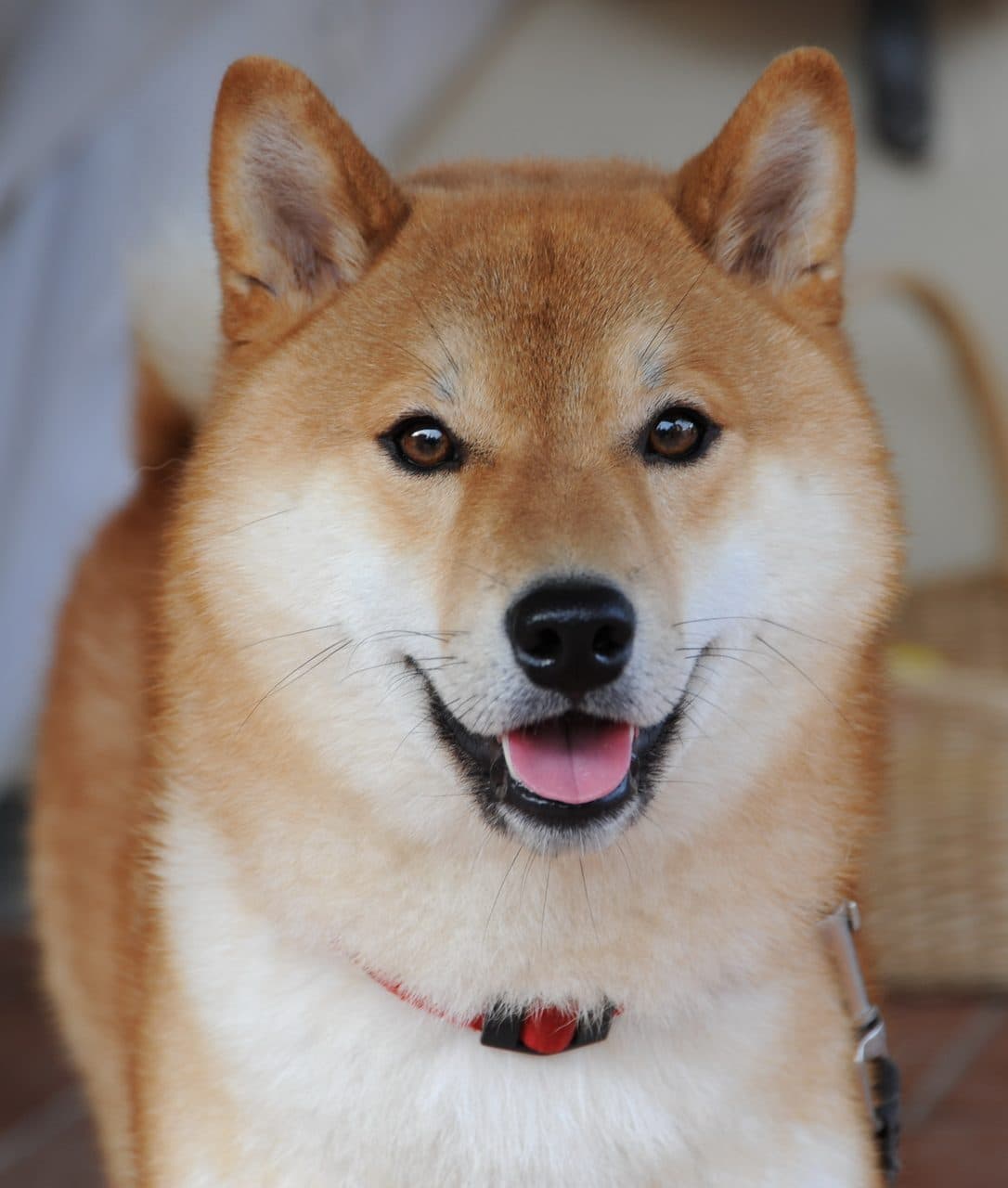
Shiba Inu
A Japanese spitz in small format. Independent, almost cat-like character. Meticulously clean. Vocalises with the "shiba scream" (a high-pitched cry). Popular but NOT easy: stubborn, prone to bolting, not suited to beginners.
Foto: Wikipedia Commons · CC BY-SA
Ideal for
- ✓Homes with prior experience
- ✓Anyone wanting an independent, elegant dog
- ✓No prey animals
Reconsider if
- ×Families expecting an obedient "doggy" dog
- ×Homes with cats/rabbits
- ×Anyone unwilling to clean up hair
Notify me when a Shiba Inu is up for adoption
We'll only email you when a verified rescue posts one available. No spam, unsubscribe in 1 click.
We'll only use your email for this alert. More info in our privacy policy.
Is the Shiba Inu a good match for you?
Indicative rating from 1 (low) to 5 (high).
💶 Estimated cost of ownership
60-100 €/month
Mid-to-high range food (20-30 €), prorated vaccines and annual check-up with eye monitoring (15-25 €), internal and external antiparasitics (10-15 €) and optional health insurance (10-25 €). It does not require professional grooming, but good brushing and vacuuming of hair at home is advisable given its heavy moult.
History and origin
An ancient Japanese breed, a small hunting dog in mountainous areas. Nearly extinct after World War II; recovered from regional lines.
Recognised by the FCI within Group 5 (spitz and primitive types). A dense double coat adapted to cold climates: in warm climates it requires precautions (shade, water, avoiding midday walks in summer).
Temperament and character
Independent, alert, brave, stubborn. Attached to one main person. Reserved with strangers. High prey drive. Needs daily mental stimulation — scent games, food Kongs and short trick sessions channel its energy better than physical exercise alone. Responds best to positive reinforcement: physical punishment breeds fear, anxiety and reactivity — coercive methods are NOT recommended by veterinary behaviourists. Sensitive to its family's mood: it picks up on tension and takes it on.
Living together
Children: with older, respectful ones. Other dogs: dominant with the same sex. Cats/rabbits: prey.
Life stages of the Shiba Inu
Each stage has its own care priorities. Life expectancy: 12-16 años.
Puppy
0-11 months
Intensive early socialisation and vaccination.
Junior
11 months-2 years
Patient training, moult management and eye monitoring.
Adult
2-8 years
Control of skin allergies, weight and patella check-ups.
Senior
8+ years
Ophthalmological (glaucoma, retina) and joint follow-up.
Care
Exercise: 45-60 min/day split into at least 2 sessions. Calm walks + mental play.
Brushing: 2-3 times a week; intensive during the moulting seasons (spring and autumn).
Feeding: quality food suited to life stage (puppy/adult/senior) and size. Weight control: obesity is the leading preventable cause of joint problems.
Vet: annual check-up with preventive blood work from age 5 (7 in giant breeds); twice a year from age 8.
Exercise 1 hr/day (always on lead outdoors: an escape artist). Daily brushing during moults (heavy twice a year). Positive, patient training. Early socialisation.
Care in detail
🍽️ Nutrition
Quality food adapted to life stage. It is a clean dog and sometimes a fussy eater; weight control to avoid straining the joints.
✂️ Grooming
A double coat that sheds heavily all year round and massively during the two seasonal moults, when daily brushing is needed. The rest of the year, brushing 2-3 times a week. It is very clean and hardly needs baths.
🎓 Training
Intelligent but independent and stubborn, not suited to beginners. Requires early socialisation, patience and positive reinforcement. Never let off the lead in an unfenced area: it has a strong bolting and hunting instinct.
🏃 Exercise
45-60 min daily in 2 sessions, always on lead outside enclosed areas due to its tendency to bolt, combining walks with mental play.
Breed-specific health
Skin allergies. Patellar luxation. Retinal atrophy. Glaucoma. Life expectancy 12-16 years (long-lived). Life expectancy of 12-16 years with appropriate care. Pre-breeding testing is recommended in responsible kennels (dysplasia + cardiac + ophthalmology screening according to the breed's conditions). When adopting, ask the rescue for a vet report on the dog's current condition.
🩺 Health predispositions of this breed
Conditions this breed is more predisposed to. Knowing about them helps with prevention and early detection. A predisposition does not mean the animal will develop them.
Common diseases in dogs
Learn the symptoms, prevention and when to see the vet. Reviewed indicative information that does not replace a veterinary consultation.
Screening and prevention for the Shiba Inu
Recommended tests and screenings
- ✓Ophthalmological assessment (progressive retinal atrophy, glaucoma)
- ✓Patellar luxation examination
- ✓Hip/elbow dysplasia radiograph (joint panel)
- ✓Dermatological/allergy testing for recurrent itching
Prevention
Frequent brushing, very intensive during the two annual moults. Regular eye monitoring given its predisposition to glaucoma and retinal atrophy, control of skin allergies and heat management because of its double coat.
Check-up schedule
Annual veterinary check-up with eye monitoring; preventive blood work from age 5-7 and two visits a year from age 8.
Warning signs
- !Red, painful or cloudy eye (glaucoma, a veterinary emergency)
- !Stumbling or progressive night blindness (retinal atrophy)
- !Persistent scratching and skin redness (allergies)
- !Lameness or skipping on a hind leg (patellar luxation)
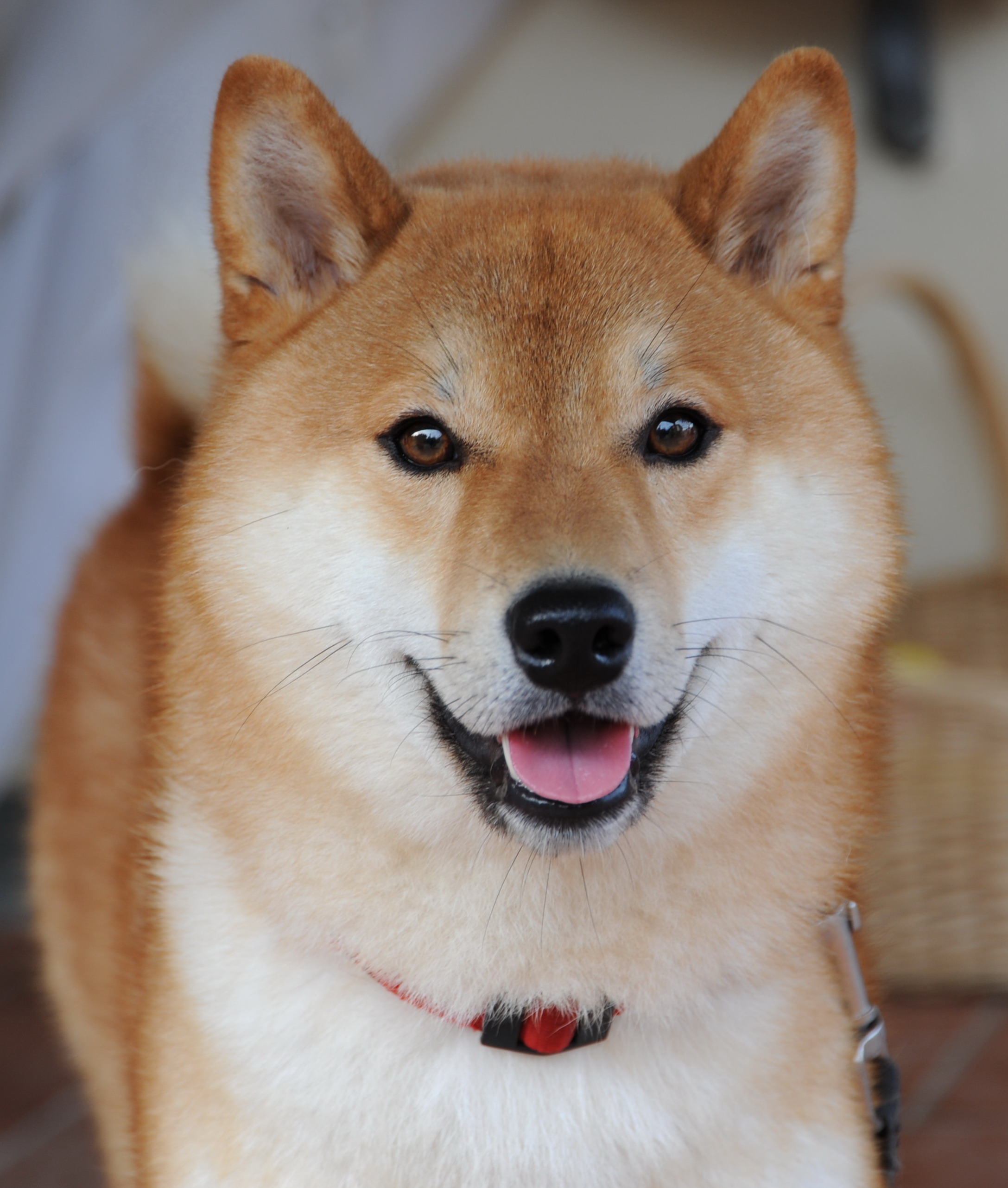
Shiba Inu gallery
Frequently asked questions about the Shiba Inu
- How long does a Shiba Inu live? ▾
- The life expectancy of the Shiba Inu is 12-16 años. A good diet, adequate exercise, annual veterinary check-ups and preventive care can help reach the upper end of that range.
- How much does a Shiba Inu weigh? ▾
- An adult Shiba Inu weighs between 7-11 kg, depending on its sex, genetics and condition. It is pequeño-mediano.
- Where does the Shiba Inu breed come from? ▾
- The Shiba Inu originates from Japón. An ancient Japanese breed, a small hunting dog in mountainous areas. Nearly extinct after World War II; recovered from regional lines.
- How much exercise does a Shiba Inu need? ▾
- The Shiba Inu has media energy. **Exercise:** 45-60 min/day split into at least 2 sessions. Calm walks + mental play.
- Is the Shiba Inu good with children? ▾
- Children: with older, respectful ones. Other dogs: dominant with the same sex. Cats/rabbits: prey.
- Who is the Shiba Inu NOT recommended for? ▾
- It isn't the right breed for: Families expecting an obedient "doggy" dog. Homes with cats/rabbits. Anyone unwilling to clean up hair. It's important to choose a breed that's compatible with your lifestyle.
- What health problems does the Shiba Inu have? ▾
- Skin allergies. Patellar luxation. Retinal atrophy. Glaucoma. Life expectancy 12-16 years (long-lived). Life expectancy of 12-16 years with appropriate care. Pre-breeding testing is recommended in responsible kennels (dysplasia + cardiac + ophthalmology screening according to the breed's conditions). When adopting, ask the rescue for a vet report on the dog's current condition.
- Is the Shiba Inu suitable for beginners? ▾
- It is not the best choice: it is independent, stubborn and has a strong bolting and hunting instinct. It requires prior experience, early socialisation and patience with positive methods.
- Why does the Shiba scream (the "shiba scream")? ▾
- It is a high-pitched, very striking vocalisation they make when stressed, angry or excited, for example at the vet or when being bathed. It does not in itself indicate pain, but reflects their expressive character.
- Does it shed a lot? ▾
- Yes. Its double coat sheds all year round and massively during the two seasonal moults, when it needs daily brushing. It is not a breed for anyone who cannot tolerate hair in the house.
- Can it be let off the lead in the park? ▾
- It is not recommended outside fenced areas. The Shiba is an escape artist with a high prey drive; many are lost through being let off the lead. A lead is compulsory in open areas.
- Does it get on well with cats or rabbits? ▾
- It has a high prey drive, so living with cats, rabbits or rodents is risky. It may tolerate a cat if they grow up together, but it should never be taken for granted.
Related and similar breeds
Learn more about dogs
Practical veterinary guides to support your Shiba Inu.
Sources and references
Content compiled from official breed standards and leading veterinary sources.
- WikipediaShiba Inu ↗
- AKCShiba Inu ↗
- FCIFCI Nomenclature - Shiba (no. 257) ↗
Want to adopt a shiba inu?
There are shiba inus in rescue shelters looking for a family. Filter by breed in the catalogue.