

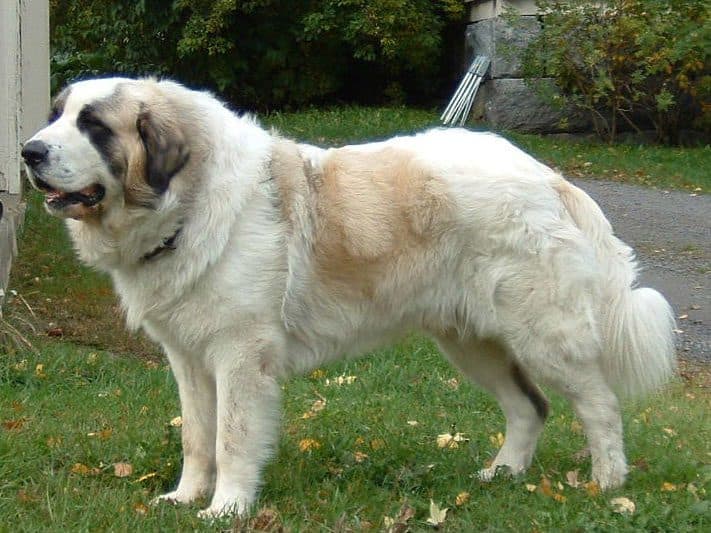
Mastín del Pirineo
Livestock guardian of the Aragonese Pyrenees. Imposing, serene, autonomous. Works on its own initiative: it decides when to intervene. NOT suited to a flat.
Foto: Wikipedia Commons · CC BY-SA
Ideal for
- ✓Large estates with livestock
- ✓Homes with a very large garden in cool climates
Reconsider if
- ×Flats
- ×Homes without space
- ×Warm climates without air conditioning
Notify me when a Mastín del Pirineo is up for adoption
We'll only email you when a verified rescue posts one available. No spam, unsubscribe in 1 click.
We'll only use your email for this alert. More info in our privacy policy.
Is the Mastín del Pirineo a good match for you?
Indicative rating from 1 (low) to 5 (high).
💶 Estimated cost of ownership
110-180 €/month
Giant-breed food 55-90 €; health and third-party liability insurance 25-45 €; antiparasitics (dose by weight) 15-25 €; pro-rated vaccinations and check-ups 20-30 €. Its large size makes drug doses and anaesthetics more expensive.
History and origin
Native Aragonese breed, traditional guardian of transhumant flocks in the Pyrenees. Equipped with a spiked carlanca collar against wolves.
Recognised by the FCI within Group 2 (mastiffs). In the UK it appears on farms and smallholdings as a guardian, as well as in homes with space. Adults up to 10-12 years: the short average lifespan is a consequence of its extreme size and predisposes it to specific care needs.
Temperament and character
Serene, brave, autonomous. Bonded to the flock/family. Decides on its own when to intervene. Tolerates other animals of the flock well. Requires daily mental stimulation — scent games, food-stuffed Kongs and short tricks channel its energy better than physical exercise alone. Responds best to positive reinforcement: physical punishment causes fear, anxiety and reactivity — coercive methods are NOT recommended by veterinary behaviourists. Sensitive to the family's mood: it detects tension and picks up on it.
Living together
Children: excellent with its own family. Other dogs: tolerates. Livestock: protects instinctively.
Life stages of the Mastín del Pirineo
Each stage has its own care priorities. Life expectancy: 10-12 años.
Puppy
0-1 year
Gradual growth on a giant-breed diet; moderate exercise to protect bone and joint development.
Young
1-2 years
Hip and elbow radiographs; split meals and rest after eating due to the risk of gastric torsion.
Adult
2-6 years
Weight control; care of pads and folds; mobility monitoring as a working dog.
Senior
6+ years
Management of osteoarthritis, joint support and monitoring for bone tumours; geriatric check-ups.
Care
Exercise: 30-45 min/day split into at least 2 sessions. Calm walks + mental play.
Brushing: daily; intensive during the moulting seasons (spring and autumn).
Feeding: quality food suited to life stage (puppy/adult/senior) and size. Weight control: obesity is the leading preventable cause of joint problems.
Vet: annual check-up with preventive blood work from 5 years (7 years in giant breeds); twice a year from 8.
Ample space. Moderate, calm exercise. Weekly brushing, intensive during the moult. Padded bed given its size.
Care in detail
🍽️ Nutrition
Giant-breed food with controlled calcium during the long growth period. Split the ration into 2-3 meals with rest after eating and avoid excess weight, which is very damaging to its hips.
✂️ Grooming
Dense double coat: weekly brushing that increases to several times a week during the spring and autumn moults. Check the ears and perianal area because of the length of the coat.
🎓 Training
It is an autonomous guardian that decides for itself. It needs early socialisation and clear boundaries with positive reinforcement, accepting that it will not obey like a competitive obedience dog.
🏃 Exercise
Low to moderate: calm walks and access to ample space. It is an estate dog, not one for long walks; never exercise it in the heat.
Breed-specific health
Dysplasia. Bloat. Entropion. Heart disease. Life expectancy 10-12 years. Life expectancy 10-12 years with appropriate care. Pre-breeding tests recommended in responsible breeders (dysplasia + cardiac + ophthalmology according to the breed's conditions). If adopting, ask the rescue for a vet report on the current condition.
🩺 Health predispositions of this breed
Conditions this breed is more predisposed to. Knowing about them helps with prevention and early detection. A predisposition does not mean the animal will develop them.
Common diseases in dogs
Learn the symptoms, prevention and when to see the vet. Reviewed indicative information that does not replace a veterinary consultation.
Screening and prevention for the Mastín del Pirineo
Recommended tests and screenings
- ✓Hip and elbow dysplasia radiography
- ✓Ophthalmological examination (entropion)
- ✓Echocardiography (heart disease)
- ✓Complete blood count and biochemistry with thyroid function
- ✓Orthopaedic assessment during growth
Prevention
Very controlled growth on giant-breed food so as not to strain the joints; split meals with subsequent rest to guard against bloat; adjusted weight and, if working on an estate, periodic checking of the pads and skin beneath the dense coat.
Check-up schedule
Annual check-up up to 4-5 years and every 6 months from 7, with joint monitoring.
Warning signs
- !Swollen abdomen with unproductive retching (gastric torsion, emergency)
- !Lameness or difficulty getting up
- !Watery eyes, rubbing or an inward-turned eyelid (entropion)
- !Apathy or weight gain (possible hypothyroidism)
- !Exercise intolerance or coughing
Mastín del Pirineo gallery

Frequently asked questions about the Mastín del Pirineo
- How long does a Mastín del Pirineo live? ▾
- The life expectancy of the Mastín del Pirineo is 10-12 años. A good diet, adequate exercise, annual veterinary check-ups and preventive care can help reach the upper end of that range.
- How much does a Mastín del Pirineo weigh? ▾
- An adult Mastín del Pirineo weighs between 55-100 kg, depending on its sex, genetics and condition. It is gigante.
- Where does the Mastín del Pirineo breed come from? ▾
- The Mastín del Pirineo originates from España (Pirineos aragoneses). Native Aragonese breed, traditional guardian of transhumant flocks in the Pyrenees. Equipped with a spiked carlanca collar against wolves.
- How much exercise does a Mastín del Pirineo need? ▾
- The Mastín del Pirineo has baja energy. **Exercise:** 30-45 min/day split into at least 2 sessions. Calm walks + mental play.
- Is the Mastín del Pirineo good with children? ▾
- Children: excellent with its own family. Other dogs: tolerates. Livestock: protects instinctively.
- Who is the Mastín del Pirineo NOT recommended for? ▾
- It isn't the right breed for: Flats. Homes without space. Warm climates without air conditioning. It's important to choose a breed that's compatible with your lifestyle.
- What health problems does the Mastín del Pirineo have? ▾
- Dysplasia. Bloat. Entropion. Heart disease. Life expectancy 10-12 years. Life expectancy 10-12 years with appropriate care. Pre-breeding tests recommended in responsible breeders (dysplasia + cardiac + ophthalmology according to the breed's conditions). If adopting, ask the rescue for a vet report on the current condition.
- Can it live in a flat or in the city? ▾
- No. It is a livestock mastiff designed for large estates and cool climates; in a flat and in the heat it struggles and develops behavioural problems.
- Does it get along with other animals? ▾
- Yes, especially with the animals of its flock or family, which it protects instinctively. With socialisation it tolerates other dogs well.
- Does it bark a lot? ▾
- It guards by barking, especially at night, to warn of intruders. This is part of its guardian role and worth anticipating if there are neighbours nearby.
- Is it good with children? ▾
- Very good and protective with the children of its family. Because of its weight, supervise play with the youngest.
- How long does it live? ▾
- Between 10 and 12 years, somewhat longer than other giants, but still a short average lifespan linked to its size.
Related and similar breeds
Learn more about dogs
Practical veterinary guides to support your Mastín del Pirineo.
Sources and references
Content compiled from official breed standards and leading veterinary sources.
Want to adopt a mastín del pirineo?
There are mastín del pirineos in rescue shelters looking for a family. Filter by breed in the catalogue.