

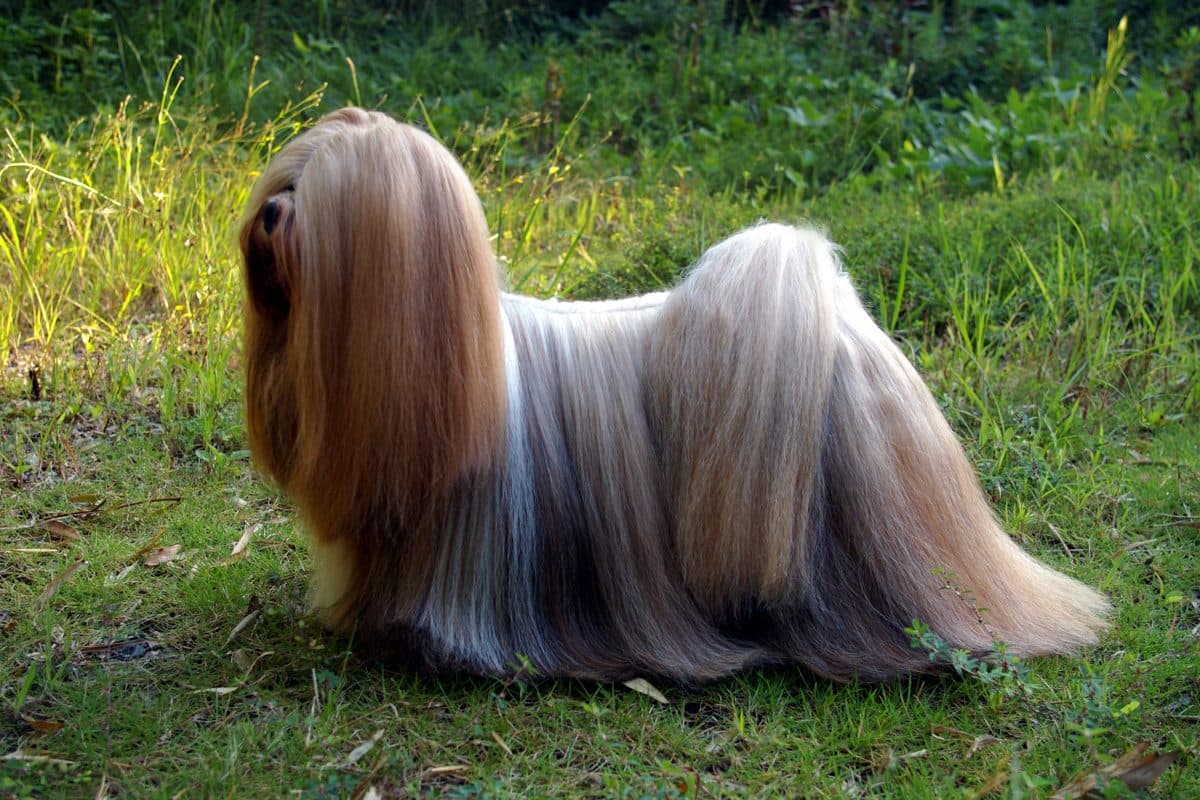
Lhasa Apso
A small Tibetan guardian. Abundant long coat. Independent, dignified, brave temperament. NOT a submissive toy dog: it has a strong personality. Barks like a watchdog.
Foto: Wikipedia Commons · CC BY-SA
Ideal for
- ✓Families with older children
- ✓Flats
- ✓Anyone wanting a dog with character in a small format
Reconsider if
- ×Anyone seeking a submissive dog
- ×Homes without time for brushing
Notify me when a Lhasa Apso is up for adoption
We'll only email you when a verified rescue posts one available. No spam, unsubscribe in 1 click.
We'll only use your email for this alert. More info in our privacy policy.
Is the Lhasa Apso a good match for you?
Indicative rating from 1 (low) to 5 (high).
💶 Estimated cost of ownership
40-65 €/month
Small-breed food (12-22 €), vet with eye and kidney follow-up (15-30 €), grooming every 6-8 weeks or home brushing supplies (15-30 €), insurance and antiparasitics (5-12 €). Grooming and eye examinations drive the cost.
History and origin
Bred by Tibetan Buddhist monks as an indoor guardian of monasteries. "Apso" means "lion dog" or "goat dog". Considered a bearer of reincarnated souls.
Recognised by the FCI within group 9 (companion dogs). Its small size makes life in a flat easier, but "small" is not synonymous with "needs no training": small dog syndrome (excessive barking, fear, reactivity) is common when it is not given the same routine as a large dog.
Temperament and character
Independent, alert, loyal to its family. Reserved with strangers. Brave for its size. Intelligent and stubborn. Needs daily mental stimulation — scent games, food Kongs and short tricks channel its energy better than physical exercise alone. It responds best to positive reinforcement: physical punishment generates fear, anxiety and reactivity — coercive methods are NOT recommended by veterinary behaviourists. Sensitive to its family's mood: it detects tension and picks up on it.
Living together
Children: older and respectful. Other dogs: territorial. Cats: gets along if socialised.
Life stages of the Lhasa Apso
Each stage has its own care priorities. Life expectancy: 12-15 años.
Puppy
0-10 months
Socialisation, care of the long coat and early eye examination.
Junior
10 months-2 years
Firm training, daily brushing and monitoring for hereditary renal dysplasia.
Adult
2-8 years
Dry eye and keratoconjunctivitis control and dental maintenance.
Senior
8+ years
Renal, ophthalmological (retinal atrophy) and joint follow-up.
Care
Exercise: 30-45 min/day split into at least 2 sessions. Calm walks + mental play.
Brushing: daily; intensive during the moults (spring and autumn).
Feeding: quality food appropriate to life stage (puppy/adult/senior) and size. Weight control: obesity is the main preventable cause of joint problems.
Vet: annual check-up with preventive blood work from the age of 5 (7 years in giants); twice a year from the age of 8.
Daily brushing or a short clip. Moderate exercise (30 min/day). Eye and ear cleaning. Dental hygiene. Firm training.
Care in detail
🍽️ Nutrition
Quality small-breed food, in 2 meals. Control treats and weight. If there is suspicion or a diagnosis of kidney disease, follow the renal diet indicated by the vet.
✂️ Grooming
Long, dense, straight coat that reaches the floor and hardly moults: daily or near-daily brushing if kept long to avoid knots close to the skin; many owners opt for a pet clip, which is far more practical. Hygienic trimming of the eyes and perianal area. Bath every 3-4 weeks.
🎓 Training
Independent, dignified and somewhat stubborn (not a submissive toy): positive, patient and consistent training from puppyhood. It is a barker and watchful due to its origin as a temple guardian; teach a "quiet" command early and socialise it well.
🏃 Exercise
Low: 30-40 minutes a day of walking and play at home. It is not a sporty dog. It tolerates a quiet indoor life well, though it appreciates mental stimulation. Senior: short, frequent walks.
Breed-specific health
Retinal atrophy. Hereditary renal dysplasia. Dry eye syndrome. Hernias. Life expectancy 12-15 years. Life expectancy 12-15 years with proper care. Pre-breeding tests recommended in responsible catteries (dysplasia + cardio + ophthalmology according to the breed's pathologies). When adopting, ask the shelter for a vet report on the current condition.
🩺 Health predispositions of this breed
Conditions this breed is more predisposed to. Knowing about them helps with prevention and early detection. A predisposition does not mean the animal will develop them.
Common diseases in dogs
Learn the symptoms, prevention and when to see the vet. Reviewed indicative information that does not replace a veterinary consultation.
Screening and prevention for the Lhasa Apso
Recommended tests and screenings
- ✓Ophthalmological evaluation (retinal atrophy, keratoconjunctivitis sicca/dry eye)
- ✓Screening for familial renal dysplasia (urea/creatinine blood work, ultrasound)
- ✓Patellar luxation examination (patella)
- ✓Assessment of folds and eyes (entropion, distichiasis, "cherry eye")
- ✓Dental check (small breed prone to tartar)
Prevention
Watch the eyes: the breed suffers from dry eye (keratoconjunctivitis sicca) and retinal conditions; the facial hair should be kept trimmed or tied back so as not to irritate the cornea. Because of familial renal dysplasia, it is advisable to monitor kidney function with blood tests. Strict dental hygiene from a young age.
Check-up schedule
Annual check-up with an eye examination (including a tear test) and dental check. Blood work with periodic kidney function testing. Patella monitoring. More thorough preventive blood work from the age of 7.
Warning signs
- !Red eye, with thick discharge or lacking shine (dry eye/keratoconjunctivitis)
- !Excessive thirst and urination, apathy or weight loss (kidney problem)
- !Stumbling or bumping into things in low light (retinal atrophy)
- !Patella slipping, bad breath or loss of teeth
Lhasa Apso gallery

Frequently asked questions about the Lhasa Apso
- How long does a Lhasa Apso live? ▾
- The life expectancy of the Lhasa Apso is 12-15 años. A good diet, adequate exercise, annual veterinary check-ups and preventive care can help reach the upper end of that range.
- How much does a Lhasa Apso weigh? ▾
- An adult Lhasa Apso weighs between 5-8 kg, depending on its sex, genetics and condition. It is pequeño.
- Where does the Lhasa Apso breed come from? ▾
- The Lhasa Apso originates from Tíbet. Bred by Tibetan Buddhist monks as an indoor guardian of monasteries. "Apso" means "lion dog" or "goat dog". Considered a bearer of reincarnated souls.
- How much exercise does a Lhasa Apso need? ▾
- The Lhasa Apso has baja energy. **Exercise:** 30-45 min/day split into at least 2 sessions. Calm walks + mental play.
- Is the Lhasa Apso good with children? ▾
- Children: older and respectful. Other dogs: territorial. Cats: gets along if socialised.
- Who is the Lhasa Apso NOT recommended for? ▾
- It isn't the right breed for: Anyone seeking a submissive dog. Homes without time for brushing. It's important to choose a breed that's compatible with your lifestyle.
- What health problems does the Lhasa Apso have? ▾
- Retinal atrophy. Hereditary renal dysplasia. Dry eye syndrome. Hernias. Life expectancy 12-15 years. Life expectancy 12-15 years with proper care. Pre-breeding tests recommended in responsible catteries (dysplasia + cardio + ophthalmology according to the breed's pathologies). When adopting, ask the shelter for a vet report on the current condition.
- Is it a calm, submissive lapdog? ▾
- Not entirely. Despite its size, it retains the independent, dignified and watchful character of its origin as a Tibetan temple guardian. It is affectionate but with a strong personality and gives warning barks.
- How much coat care does it need? ▾
- A lot if kept long: daily brushing to avoid knots stuck to the skin. Many owners opt for a pet clip, which reduces maintenance to more spaced-out brushing and bathing.
- Why do its eyes need so much care? ▾
- The breed is prone to dry eye and retinal problems. The facial hair can rub against the cornea, so it is advisable to trim it or tie it back and check the eyes regularly.
- Does it bark a lot? ▾
- Quite a bit: it is a born guardian that warns of any noise. With early training and enough stimulation it can be kept in check, but it is worth bearing in mind in flats with neighbours.
- Does it need a lot of exercise? ▾
- No: daily walks and play at home cover its needs. It is an ideal companion dog for a quiet life and flats, provided its coat is looked after.
Related and similar breeds
Learn more about dogs
Practical veterinary guides to support your Lhasa Apso.
Sources and references
Content compiled from official breed standards and leading veterinary sources.
Want to adopt a lhasa apso?
There are lhasa apsos in rescue shelters looking for a family. Filter by breed in the catalogue.