


Rana Flecha Azul
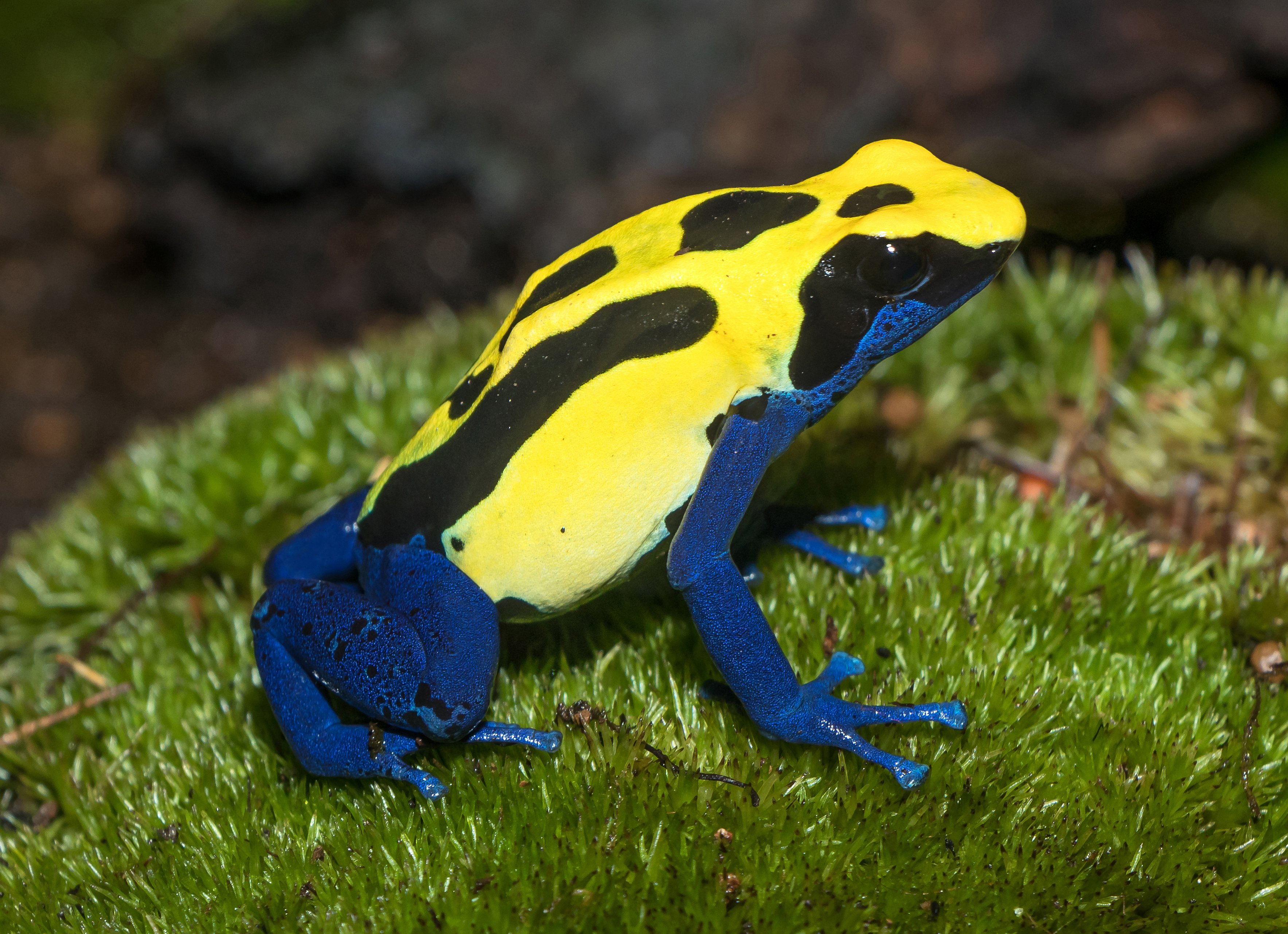
Toxic in the wild · NOT toxic in captivity (the toxins come from its natural diet). Spectacular colours.
Foto: Wikipedia Commons · CC BY-SA
Ideal for
- ✓Those looking for an exotic pet with a technical commitment
- ✓Patient people (reptiles need time to build trust)
- ✓Homes with room for a terrarium
Reconsider if
- ×Homes with young children without supervision
- ×People with no prior experience (consult an exotic vet first)
- ×Life 100% in a small terrarium (cruel)
Notify me when a Rana Flecha Azul is up for adoption
We'll only email you when a verified rescue posts one available. No spam, unsubscribe in 1 click.
We'll only use your email for this alert. More info in our privacy policy.
Is the Rana Flecha Azul a good match for you?
Indicative rating from 1 (low) to 5 (high).
💶 Estimated cost of ownership
15-30 €/month
Fruit fly cultures and supplements 6-12 €, electricity for lighting and misting 6-12 €, vivarium maintenance 2-5 €; replacement of live cultures and occasional exotic vet check-up.
History and origin
Native to South America. Toxic in the wild · NOT toxic in captivity (the toxins come from its natural diet).
Temperament and character
Reptiles are NOT social like mammals. They tolerate handling but do not seek company. Trust is earned with patience.
Living together
Children: depends on species + educational handling. **Other pets:** avoid — two-way risk. **Other reptiles:** according to species, separate terrariums are better.
Life stages of the Rana Flecha Azul
Each stage has its own care priorities. Life expectancy: 10-15 años.
Tadpole
0-3 months
Aquatic phase; clean, chlorine-free water, 22-25 °C, kept isolated to prevent cannibalism; tadpole food and quality flakes.
Juvenile (metamorph)
3-8 months
Humid tropical terrarium 80-100%, 22-26 °C, gentle UVB 2.0; microfauna (springtails, drosophila) dusted with calcium/vitamins.
Subadult
8-14 months
Planted paludarium with hiding spots; drosophila and small insects daily, supplemented; quality water to prevent skin poisoning.
Adult
1-15 years
22-26 °C, high humidity, dim lighting; a diet of micro-insects with frequent calcium/D3; skin toxicity is lost in captivity due to the diet.
Care
Terrarium: minimum size according to species (consult species-specific guides). UVB is mandatory for diurnal species.
Temperature: day/night gradient · warm zone vs cool zone for thermoregulation.
Humidity: according to species (rainforest 70%+ · desert 30-50%).
Feeding: species-specific diet · insectivores, herbivores and carnivores vary radically.
Vet: exotic vet (a regular vet is NOT suitable). Annual check-up.
Care in detail
🍽️ Nutrition
Insectivore feeding on small prey: fruit flies, springtails and aphids dusted with calcium and vitamins daily.
✂️ Grooming
It is not bathed or picked up; its care consists of keeping the bioactive vivarium correctly humid and clean.
🎓 Training
It does not tolerate handling: manipulation damages its permeable skin and stresses it. An animal to observe.
🏃 Exercise
A bioactive tropical vivarium with plants, bromeliads and leaf litter, high humidity and a stable temperature of 22-26 °C, avoiding heat spikes.
Breed-specific health
UVB deficiency (rickets, MBD), parasites, respiratory infections from incorrect humidity. Life expectancy 10-15 years when well cared for.
🩺 Health predispositions of this breed
Conditions this breed is more predisposed to. Knowing about them helps with prevention and early detection. A predisposition does not mean the animal will develop them.
Common diseases in reptiles
Learn the symptoms, prevention and when to see the vet. Reviewed indicative information that does not replace a veterinary consultation.
Screening and prevention for the Rana Flecha Azul
Recommended tests and screenings
- ✓Screening for chytridiomycosis (Bd)
- ✓Faecal test for internal parasites
- ✓Assessment for MBD/vitamin A deficiency (tongue, oedema, legs)
- ✓CITES II documentation for the specimen
Prevention
Dusting food with calcium and vitamins at each feeding, 80-100% humidity with ventilation, dechlorinated water, and rigorous quarantine of new specimens and plants against the chytrid fungus.
Check-up schedule
See an exotic vet at any sign of deterioration; they decline rapidly when they fall ill.
Warning signs
- !Lethargy, dull skin or excessive shedding (chytrid)
- !Bent legs or clumsy jumps (MBD)
- !Weight loss and sunken eyes
- !Generalised oedema/swelling
- !Sustained loss of appetite
Rana Flecha Azul gallery
Frequently asked questions about the Rana Flecha Azul
- How long does a Rana Flecha Azul live? ▾
- The life expectancy of the Rana Flecha Azul is 10-15 años. A good diet, adequate exercise, annual veterinary check-ups and preventive care can help reach the upper end of that range.
- How much does a Rana Flecha Azul weigh? ▾
- An adult Rana Flecha Azul weighs between 3-6g, depending on its sex, genetics and condition. It is pequeño.
- Where does the Rana Flecha Azul breed come from? ▾
- The Rana Flecha Azul originates from Sudamérica. Native to South America. Toxic in the wild · NOT toxic in captivity (the toxins come from its natural diet).
- How much exercise does a Rana Flecha Azul need? ▾
- The Rana Flecha Azul has media energy. **Terrarium:** minimum size according to species (consult species-specific guides). UVB is mandatory for diurnal species.
- Is the Rana Flecha Azul good with children? ▾
- **Children:** depends on species + educational handling. **Other pets:** avoid — two-way risk. **Other reptiles:** according to species, separate terrariums are better.
- Who is the Rana Flecha Azul NOT recommended for? ▾
- It isn't the right breed for: Homes with young children without supervision. People with no prior experience (consult an exotic vet first). Life 100% in a small terrarium (cruel). It's important to choose a breed that's compatible with your lifestyle.
- What health problems does the Rana Flecha Azul have? ▾
- UVB deficiency (rickets, MBD), parasites, respiratory infections from incorrect humidity. Life expectancy 10-15 years when well cared for.
- Is the blue frog toxic? ▾
- Not in the terrarium. Its toxins depend on a wild diet; raised on cultured flies it does not produce them. Even so, it is not handled because of its delicate skin.
- Does it need a lot of humidity? ▾
- Yes, between 80 and 100%, but with ventilation to prevent disease. A mister or scheduled watering helps to maintain it.
- Can I keep several together? ▾
- Depending on the species, groups can be kept in large, planted vivariums, but some are territorial; do your research before housing specimens together.
- Is UVB necessary? ▾
- They benefit from gentle, low-intensity UVB, but the critical thing is supplementation with calcium and vitamins at every meal.
Learn more about reptiles
Practical veterinary guides to support your Rana Flecha Azul.
Sources and references
Content compiled from official breed standards and leading veterinary sources.
- WikipediaDendrobates tinctorius (Wikipedia) ↗
- AmphibiaWebAmphibiaWeb — amphibian database ↗
Want to adopt a rana flecha azul?
There are rana flecha azuls in rescue shelters looking for a family. Filter by breed in the catalogue.