

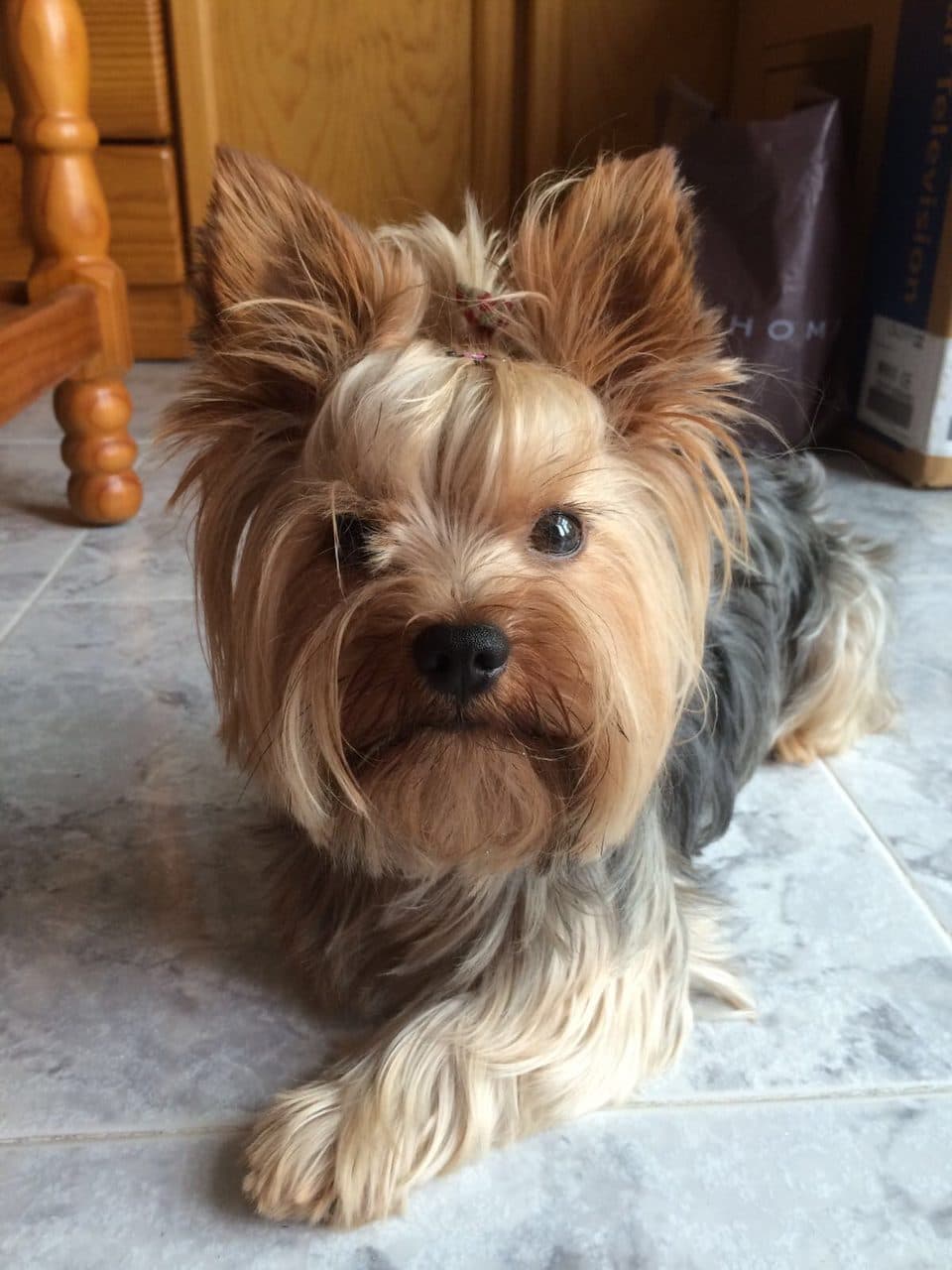
Yorkshire Terrier
Small size + terrier temperament + long life expectancy. Surprising energy for such a tiny ribcage. Needs early socialisation to avoid becoming a nervous little dog.
Foto: Wikipedia Commons · CC BY-SA
Ideal for
- ✓Small flats
- ✓Elderly people
- ✓Those who want a portable companion dog
Reconsider if
- ×Families with very young children (fragile)
- ×Those expecting a submissive dog (it's a terrier, not a lapdog)
- ×Extreme climates
Notify me when a Yorkshire Terrier is up for adoption
We'll only email you when a verified rescue posts one available. No spam, unsubscribe in 1 click.
We'll only use your email for this alert. More info in our privacy policy.
Is the Yorkshire Terrier a good match for you?
Indicative rating from 1 (low) to 5 (high).
💶 Estimated cost of ownership
30-55 €/month
Feeding: 12-18 € · Grooming: 10-20 € · Vet and dental care: 10-20 €
History and origin
Originated in the 19th century in industrial Yorkshire (England) to hunt rats in mines and textile mills. Developed by miners. It later reached the nobility thanks to its elegant size and silky coat.
Temperament and character
Lively, brave, vocal. A typical terrier: lives large. Bonds intensely with one person. Intelligent but stubborn. Prone to barking (alert dog).
Living together
Children: with older children. Fragile around babies. Other dogs: variable. Cats: it depends.
Life stages of the Yorkshire Terrier
Each stage has its own care priorities. Life expectancy: 13-16 años.
Puppy
0-8 months
Prevent hypoglycaemia with frequent meals; careful handling due to fragility; start of dental hygiene.
Junior
8 months-1.5 years
Training and socialisation; check of the patellae and dentition (retained milk teeth).
Adult
1.5-9 years
Rigorous dental hygiene (tartar/periodontal), patellar luxation control and monitoring for tracheal collapse; use a harness instead of a collar.
Senior
9+ years
Dental and cardiac health, eye check (cataracts) and management of tracheal collapse.
Care
Exercise: daily walks, nothing extreme. Grooming: HIGH (long coat similar to human hair), daily brushing or clipping down to 2 cm. Feeding: small-breed kibble, dental-specific (tartar is common). Dental: daily brushing.
Care in detail
🍽️ Nutrition
Kibble for miniature breeds, small biscuit size and a dental formula. In puppies, frequent meals to prevent hypoglycaemia.
✂️ Grooming
High maintenance: daily brushing if kept in a long coat (hair-like texture that mats) or clipping to 2 cm with regular grooming appointments. Daily tooth brushing.
🎓 Training
Intelligent but stubborn and very vocal: needs early socialisation and positive reinforcement to avoid small-dog syndrome.
🏃 Exercise
Moderate daily walks and play at home; does not require intense exercise but does need mental stimulation.
Breed-specific health
Patellar luxation. Hypoglycaemia in puppies. Tracheal collapse. Tartar and periodontal disease. Cataracts. Life expectancy 13-16 years.
🩺 Health predispositions of this breed
Conditions this breed is more predisposed to. Knowing about them helps with prevention and early detection. A predisposition does not mean the animal will develop them.
Common diseases in dogs
Learn the symptoms, prevention and when to see the vet. Reviewed indicative information that does not replace a veterinary consultation.
Screening and prevention for the Yorkshire Terrier
Recommended tests and screenings
- ✓Orthopaedic evaluation for patellar luxation
- ✓Dental and periodontal disease check
- ✓Ultrasound/bile acids to rule out portosystemic shunt
- ✓Ophthalmological examination (cataracts)
Prevention
Daily tooth brushing to slow tartar build-up, blood glucose control in puppies with frequent meals, avoid jumps from height, and use a coat in cold weather due to their low body mass.
Check-up schedule
Annual check-up with emphasis on the mouth and patellae; dental cleanings at the vet's discretion.
Warning signs
- !Slipping kneecap, lameness or a leg that 'catches'
- !Dry, honking cough (tracheal collapse)
- !Strong bad breath, tartar or tooth loss
- !Lethargy or tremors from hypoglycaemia in puppies
Yorkshire Terrier gallery

Frequently asked questions about the Yorkshire Terrier
- How long does a Yorkshire Terrier live? ▾
- The life expectancy of the Yorkshire Terrier is 13-16 años. A good diet, adequate exercise, annual veterinary check-ups and preventive care can help reach the upper end of that range.
- How much does a Yorkshire Terrier weigh? ▾
- An adult Yorkshire Terrier weighs between 2-4 kg, depending on its sex, genetics and condition. It is pequeño.
- Where does the Yorkshire Terrier breed come from? ▾
- The Yorkshire Terrier originates from Inglaterra (Yorkshire). Originated in the 19th century in industrial Yorkshire (England) to hunt rats in mines and textile mills. Developed by miners. It later reached the nobility thanks to its elegant size and silky coat.
- How much exercise does a Yorkshire Terrier need? ▾
- The Yorkshire Terrier has media energy. Exercise: daily walks, nothing extreme. Grooming: HIGH (long coat similar to human hair), daily brushing or clipping down to 2 cm. Feeding: small-breed kibble, dental-specific (tartar is common). Dental: daily brushing.
- Is the Yorkshire Terrier good with children? ▾
- Children: with older children. Fragile around babies. Other dogs: variable. Cats: it depends.
- Who is the Yorkshire Terrier NOT recommended for? ▾
- It isn't the right breed for: Families with very young children (fragile). Those expecting a submissive dog (it's a terrier, not a lapdog). Extreme climates. It's important to choose a breed that's compatible with your lifestyle.
- What health problems does the Yorkshire Terrier have? ▾
- Patellar luxation. Hypoglycaemia in puppies. Tracheal collapse. Tartar and periodontal disease. Cataracts. Life expectancy 13-16 years.
- Does the Yorkshire shed? ▾
- Almost none: its coat has a texture similar to human hair and sheds very little, which makes it suitable for people with allergies, but it requires frequent brushing and grooming.
- Why does it bark so much? ▾
- It's a terrier with a lively, alert character. With socialisation and by not reinforcing the barking it can be controlled, but be prepared for it to announce any noise.
- Is it fragile around children? ▾
- Yes. It weighs only 2-4 kg and can be injured by falls or rough handling; it's best suited to homes with older, respectful children.
- Does it need special dental care? ▾
- Yes. It accumulates tartar easily and suffers from periodontal disease; daily tooth brushing is practically essential.
- Does it cope well with the cold? ▾
- Not really. Its small size and little body fat make it feel the cold: it needs a coat in winter and should avoid extreme climates.
Related and similar breeds
Learn more about dogs
Practical veterinary guides to support your Yorkshire Terrier.
Sources and references
Content compiled from official breed standards and leading veterinary sources.
Want to adopt a yorkshire terrier?
There are yorkshire terriers in rescue shelters looking for a family. Filter by breed in the catalogue.