

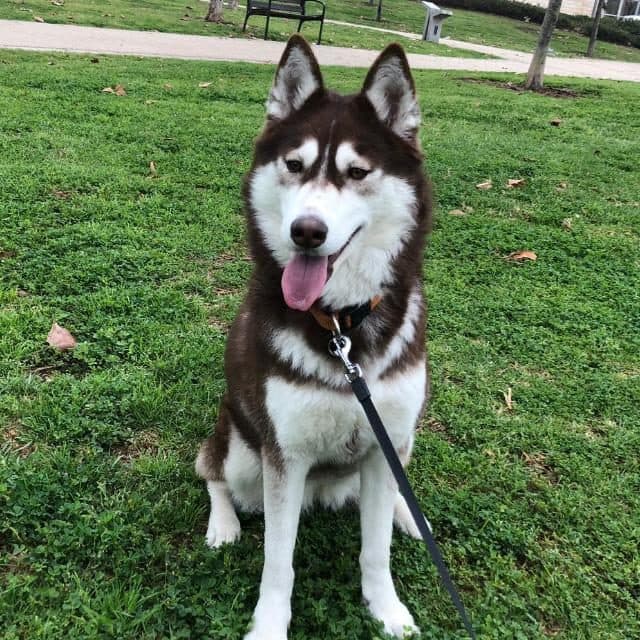
Husky Siberiano
Spectacular but demanding. Very high energy, a strong flight instinct, highly vocal (it does not bark: it howls). Dense double coat. Not a dog for beginners nor for very warm climates.
Foto: Wikipedia Commons · CC BY-SA
Ideal for
- ✓Active families (running/skiing)
- ✓Homes with a well-fenced garden (they jump)
- ✓Cold climates
Reconsider if
- ×Flats without daily exercise
- ×Warm climates without air conditioning
- ×Homes with cats/rabbits (high prey drive)
- ×Anyone who can't cope with shed hair
Notify me when a Husky Siberiano is up for adoption
We'll only email you when a verified rescue posts one available. No spam, unsubscribe in 1 click.
We'll only use your email for this alert. More info in our privacy policy.
Is the Husky Siberiano a good match for you?
Indicative rating from 1 (low) to 5 (high).
💶 Estimated cost of ownership
55-95 €/month
Quality food for a medium-to-large dog (30-45 €), pro-rated vaccinations and annual check-up (12-20 €), internal and external parasite control (12-18 €), optional insurance (10-20 €). Add brushes/a de-shedding tool and, in summer, possible spending on cooling or walks during the cooler hours.
History and origin
Bred by the Chukchi people of Siberia as a sled and companion dog. Imported to Alaska in 1908 for sled racing. Famous for the 1925 "Serum Run" (Balto and Togo).
Recognised by the FCI within Group 5 (spitz and primitive types). A dense double coat adapted to cold climates: in warm climates it needs precautions (shade, water, avoiding walks at midday in summer).
Temperament and character
Independent, friendly with people, a born escape artist. Intelligent but stubborn. Does NOT work as a guard dog (it greets strangers). Needs daily mental stimulation — scent games, food-stuffed Kongs and short trick sessions channel its energy better than physical exercise alone. Responds best to positive reinforcement: physical punishment creates fear, anxiety and reactivity — coercive methods are NOT recommended by veterinary behaviourists. Sensitive to its family's mood: it picks up on tension and is affected by it.
Living together
Children: good if supervised. Other dogs: sociable. Cats: strong prey drive, better avoided.
Life stages of the Husky Siberiano
Each stage has its own care priorities. Life expectancy: 12-15 años.
Puppy
0-11 months
Socialisation and firm training (an independent breed); secure fencing because of its flight instinct; early eye examination.
Junior
11 months-2 years
Plenty of exercise (running/pulling) to channel energy; coat management and ophthalmological reviews.
Adult
2-8 years
Intense physical and mental exercise; eye screening (cataracts, retinal atrophy, glaucoma) and hip monitoring.
Senior
8+ years
Adapt activity, regular eye examinations and management of osteoarthritis; senior diet.
Care
Exercise: 90-120 min/day split into at least 2 sessions. Off-lead time in a safe area is essential for high-energy breeds.
Grooming: daily; intensive during the moults (spring and autumn).
Feeding: quality food matched to life stage (puppy/adult/senior) and size. Weight management: obesity is the leading preventable cause of joint problems.
Vet: annual check-up with preventive blood work from age 5 (7 years in giant breeds); twice a year from 8.
Exercise 2-3 h/day. Daily brushing during the moult (twice a year, heavy). Do NOT clip (it ruins the thermal insulation). Fencing at least 1.8 m and buried (they dig).
Care in detail
🍽️ Nutrition
Quality food suited to its life stage. They tend to be efficient feeders and, despite their activity, weight must be managed because obesity damages their joints. Some individuals need attention to their zinc intake.
✂️ Grooming
A very dense double coat that sheds heavily, with two spectacular moults a year. Daily brushing, intensive during the moult. Never clip: the coat insulates it against both cold and heat. It does not need frequent baths.
🎓 Training
Intelligent but stubborn and independent; it does not obey to please. It requires positive reinforcement, consistency and plenty of mental stimulation (scent games, Kongs, short tricks). Coercive methods are discouraged: they create fear and reactivity.
🏃 Exercise
Very high energy: 90-120 minutes daily at a minimum, in at least 2 sessions, ideally with running, cycling or pulling. Never off-lead in an unfenced area because of its strong flight and prey instinct.
Breed-specific health
Hip dysplasia. Hereditary cataracts. Hypothyroidism. Progressive retinal atrophy. Life expectancy 12-15 years. Life expectancy 12-15 years with proper care. Pre-breeding tests recommended at responsible kennels (hip dysplasia + cardiac + ophthalmology according to the breed's conditions). When adopting, ask the rescue for a vet report on the current state of health.
🩺 Health predispositions of this breed
Conditions this breed is more predisposed to. Knowing about them helps with prevention and early detection. A predisposition does not mean the animal will develop them.
Common diseases in dogs
Learn the symptoms, prevention and when to see the vet. Reviewed indicative information that does not replace a veterinary consultation.
Screening and prevention for the Husky Siberiano
Recommended tests and screenings
- ✓Official hip dysplasia radiograph
- ✓Annual ophthalmological examination (hereditary cataracts, corneal dystrophy)
- ✓Genetic test for progressive retinal atrophy (X-linked and other forms)
- ✓Thyroid profile (T4/TSH) due to predisposition to hypothyroidism
- ✓Glaucoma test / gonioscopy
- ✓Dermatological assessment where zinc-responsive dermatosis is suspected
Prevention
Intense daily exercise to channel its very high energy, protection from heat (shade, water, avoiding walks at midday in summer), secure and buried fencing because of its escape instinct, and do NOT clip the coat so as not to destroy its thermal insulation.
Check-up schedule
Annual review with an eye examination; blood work with a thyroid profile from age 5 and six-monthly reviews from 8. When adopting, ask the rescue for the vet report on the current state of health.
Warning signs
- !Bumping into things or disorientation in low light (PRA, cataracts)
- !Bluish or white opacity in the eyes (cataracts)
- !Lethargy, weight gain and a dull coat (hypothyroidism)
- !Excessive panting, weakness or staggering in the heat (heatstroke)
- !Crusty lesions around the eyes, muzzle or paw pads (zinc-responsive dermatosis)
Husky Siberiano gallery

Frequently asked questions about the Husky Siberiano
- How long does a Husky Siberiano live? ▾
- The life expectancy of the Husky Siberiano is 12-15 años. A good diet, adequate exercise, annual veterinary check-ups and preventive care can help reach the upper end of that range.
- How much does a Husky Siberiano weigh? ▾
- An adult Husky Siberiano weighs between 20-27 kg, depending on its sex, genetics and condition. It is mediano.
- Where does the Husky Siberiano breed come from? ▾
- The Husky Siberiano originates from Siberia (Chukotka). Bred by the Chukchi people of Siberia as a sled and companion dog. Imported to Alaska in 1908 for sled racing. Famous for the 1925 "Serum Run" (Balto and Togo).
- How much exercise does a Husky Siberiano need? ▾
- The Husky Siberiano has muy alta energy. **Exercise:** 90-120 min/day split into at least 2 sessions. Off-lead time in a safe area is essential for high-energy breeds.
- Is the Husky Siberiano good with children? ▾
- Children: good if supervised. Other dogs: sociable. Cats: strong prey drive, better avoided.
- Who is the Husky Siberiano NOT recommended for? ▾
- It isn't the right breed for: Flats without daily exercise. Warm climates without air conditioning. Homes with cats/rabbits (high prey drive). Anyone who can't cope with shed hair. It's important to choose a breed that's compatible with your lifestyle.
- What health problems does the Husky Siberiano have? ▾
- Hip dysplasia. Hereditary cataracts. Hypothyroidism. Progressive retinal atrophy. Life expectancy 12-15 years. Life expectancy 12-15 years with proper care. Pre-breeding tests recommended at responsible kennels (hip dysplasia + cardiac + ophthalmology according to the breed's conditions). When adopting, ask the rescue for a vet report on the current state of health.
- Is it a good dog for beginners? ▾
- No. The husky is stubborn, independent, an escape artist and hugely energetic; it ignores commands when they don't interest it and needs an experienced, consistent and very active handler. It is one of the breeds that most disappoints anyone looking for an obedient, easy dog.
- Can it cope with the heat in the UK? ▾
- Poorly. Its double coat is designed for the extreme cold of Siberia. In warm climates it needs shade, plenty of fresh water, avoiding exercise during the middle of the day and, sometimes, air conditioning. Heatstroke is a real risk in summer.
- Can it live with cats or rabbits? ▾
- It is inadvisable. It has a very strong prey drive towards small animals. Although with very early socialisation some tolerate one particular cat, living with rabbits, rodents or free-roaming cats is usually risky.
- Why do huskies escape so much? ▾
- It is a born escape artist: it jumps fences, digs underneath and wanders off following its instinct. It needs high fencing (at least 1.8 m) that is buried, and it should never be off-lead in an open area. It does not work as a guard dog: it greets strangers in a friendly way.
- Should I trim or clip its coat in summer? ▾
- Never. Its double coat regulates temperature in both directions, and clipping it loses that insulation, as well as exposing the skin to the sun and ruining the coat quality as it regrows. The right approach is to brush it thoroughly to remove the dead undercoat.
Related and similar breeds
Learn more about dogs
Practical veterinary guides to support your Husky Siberiano.
Sources and references
Content compiled from official breed standards and leading veterinary sources.
Want to adopt a husky siberiano?
There are husky siberianos in rescue shelters looking for a family. Filter by breed in the catalogue.