

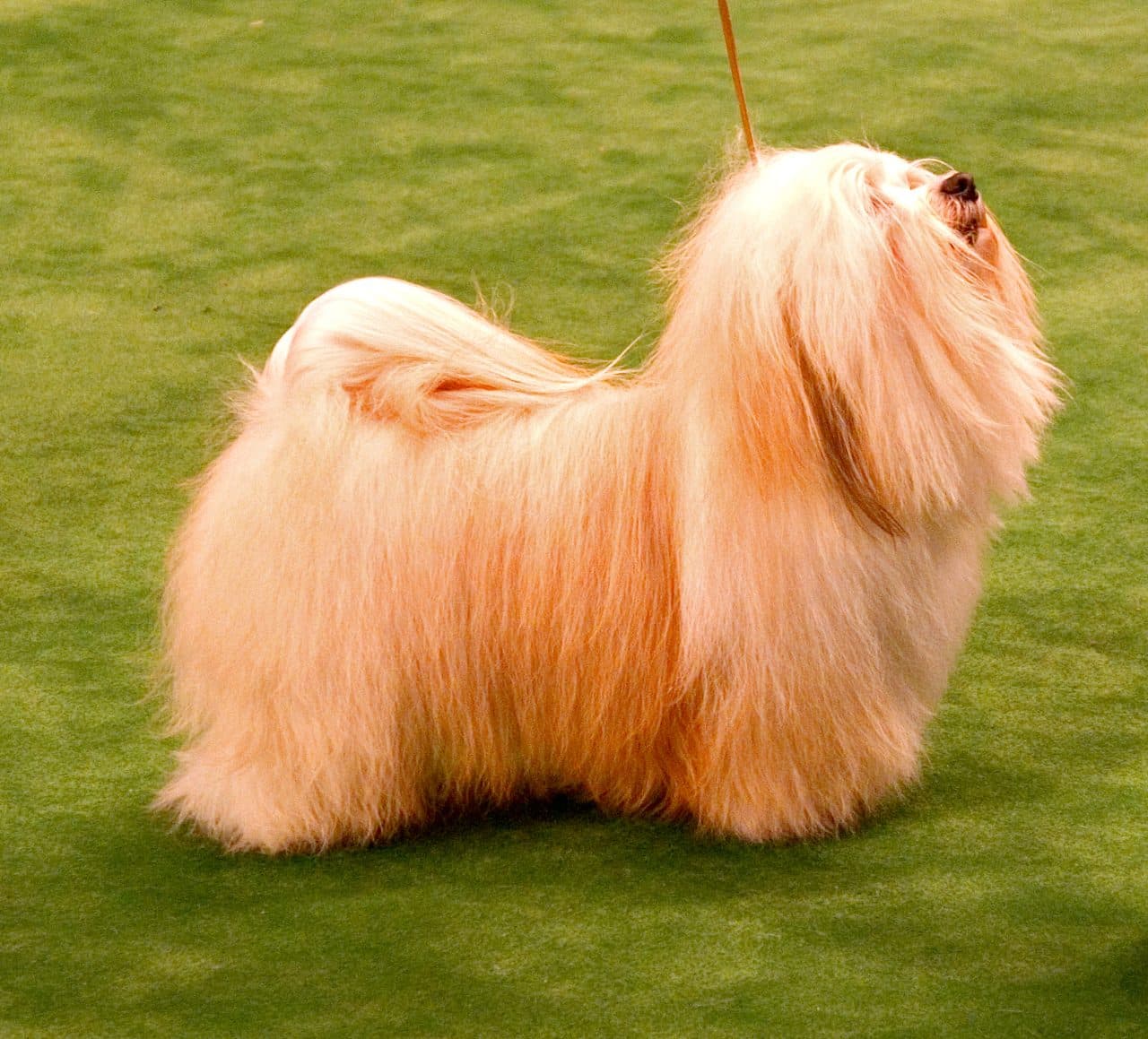
Bichón Habanero
A unique Cuban bichon. Long silky coat. Cheerful, playful, clownish character. An excellent companion dog. Hypoallergenic. Nearly extinct during the Cuban revolution, saved by emigrants.
Foto: Wikipedia Commons · CC BY-SA
Ideal for
- ✓Small flats
- ✓Older people
- ✓Urban families
Reconsider if
- ×Very young children (fragile)
- ×Homes with large clumsy dogs
Notify me when a Bichón Habanero is up for adoption
We'll only email you when a verified rescue posts one available. No spam, unsubscribe in 1 click.
We'll only use your email for this alert. More info in our privacy policy.
Is the Bichón Habanero a good match for you?
Indicative rating from 1 (low) to 5 (high).
💶 Estimated cost of ownership
45-75 €/month
Toy-breed food (€15-25), veterinary and preventive care (€15-25), grooming every 6-8 weeks or home brushing supplies (€15-30), insurance and accessories (€5-15). Grooming is the main variable cost if the coat is kept long.
History and origin
Recognised by the FCI. Originating in Cuba (Havana). A unique Cuban bichon.
Temperament and character
Cheerful, sociable, attached to its human. Sensitive. Intelligent. A barker if 'small dog syndrome' is not trained out of it.
Living together
Children: with careful older ones (fragile). **Other dogs:** fine with those of its own size. **Cats:** usually gets along.
Life stages of the Bichón Habanero
Each stage has its own care priorities. Life expectancy: 13-15 años.
Puppy
0-12 months
Socialisation of the companion bichon; monitoring for lameness (Legg-Calvé-Perthes) and early care of the long coat.
Young
1-3 years
Moderate exercise, frequent brushing and gentle training; monitoring of the patellae.
Adult
3-9 years
Dental care, weight control and ophthalmological check-ups (retina/cataracts).
Senior
9+ years
Annual eye and joint check-ups; maintaining mobility and comfort.
Care
Exercise: 30-45 min/day (several short walks).
Brushing: depending on the coat (some daily, some weekly).
Dental hygiene critical: crowded teeth.
Veterinarian: annual check-up + attention to patellar luxation.
Care in detail
🍽️ Nutrition
Quality food for toy breeds, in 2-3 meals. Control treats and weight: under the long coat it is easy for excess weight to go unnoticed.
✂️ Grooming
A long, silky, low-shedding coat (suitable for many allergy sufferers): brush 3-4 times a week to prevent knots. It can be kept long (more care) or in a pet clip. Hygienic trimming around the eyes. Bath every 3-4 weeks.
🎓 Training
Cheerful, clever and very sociable, almost a clown: it learns easily with positive reinforcement and enjoys tricks. Excellent for first-time owners. Socialise it early to avoid excessive attachment and barking out of boredom.
🏃 Exercise
30-45 minutes of daily walking and play; it loves interacting with the family. It is not an endurance athlete. Senior: short, frequent walks and mental games.
Breed-specific health
Patellar luxation. Dental problems. Hypoglycaemia (puppies). Life expectancy 13-15 years.
🩺 Health predispositions of this breed
Conditions this breed is more predisposed to. Knowing about them helps with prevention and early detection. A predisposition does not mean the animal will develop them.
Common diseases in dogs
Learn the symptoms, prevention and when to see the vet. Reviewed indicative information that does not replace a veterinary consultation.
Screening and prevention for the Bichón Habanero
Recommended tests and screenings
- ✓Ophthalmological evaluation (cataracts, retinal atrophy)
- ✓Patellar luxation examination (patella)
- ✓Hip radiography where Legg-Calvé-Perthes is suspected
- ✓BAER hearing test (deafness in some lines)
- ✓Cardiac auscultation (congenital murmurs) and dental check
Prevention
Buy from breeders with parents tested for eyes, patella and hips. Watch the patella and, in puppies, possible hip lameness (Legg-Perthes). Maintain strict dental hygiene from a young age and protect the eyes from excess hair and tear staining.
Check-up schedule
Annual check-up including assessment of the patellae, eyes and teeth; dental cleanings as advised. Preventive blood work from 7 years of age.
Warning signs
- !Slipping patella or intermittent lameness
- !Progressive lameness of a hind leg in puppies (Legg-Calvé-Perthes)
- !Cloudy eyes or stumbling in low light (cataracts/retina)
- !Bad breath, tartar or tooth loss
Bichón Habanero gallery

Frequently asked questions about the Bichón Habanero
- How long does a Bichón Habanero live? ▾
- The life expectancy of the Bichón Habanero is 13-15 años. A good diet, adequate exercise, annual veterinary check-ups and preventive care can help reach the upper end of that range.
- How much does a Bichón Habanero weigh? ▾
- An adult Bichón Habanero weighs between 3-7 kg, depending on its sex, genetics and condition. It is toy.
- Where does the Bichón Habanero breed come from? ▾
- The Bichón Habanero originates from Cuba (La Habana). Recognised by the FCI. Originating in Cuba (Havana). A unique Cuban bichon.
- How much exercise does a Bichón Habanero need? ▾
- The Bichón Habanero has media energy. **Exercise:** 30-45 min/day (several short walks).
- Is the Bichón Habanero good with children? ▾
- **Children:** with careful older ones (fragile). **Other dogs:** fine with those of its own size. **Cats:** usually gets along.
- Who is the Bichón Habanero NOT recommended for? ▾
- It isn't the right breed for: Very young children (fragile). Homes with large clumsy dogs. It's important to choose a breed that's compatible with your lifestyle.
- What health problems does the Bichón Habanero have? ▾
- Patellar luxation. Dental problems. Hypoglycaemia (puppies). Life expectancy 13-15 years.
- Is it hypoallergenic? ▾
- It sheds little and many allergy sufferers tolerate it well, but no dog is completely hypoallergenic. It is wise to test your tolerance by spending time with one before deciding.
- Is it good for first-time owners? ▾
- Excellent: cheerful, sociable, well-balanced and easy to train. Its size and character make it ideal for urban life and inexperienced owners.
- Does it bark a lot? ▾
- It gives moderate alarm barking. If it gets bored or is left alone too much it can become more vocal; with company, stimulation and training it is easily kept in check.
- How much coat care does it need? ▾
- If kept long, brushing 3-4 times a week to prevent knots. Many owners opt for a pet clip, which is more convenient to maintain.
- Does it tolerate being left alone? ▾
- So-so. It is very attached and sociable, so it prefers company. Get it used to being alone gradually to prevent separation anxiety.
Learn more about dogs
Practical veterinary guides to support your Bichón Habanero.
Sources and references
Content compiled from official breed standards and leading veterinary sources.
- WikipediaHavanese ↗
- AKCHavanese ↗
- FCIFCI Standard No. 250 ↗
Want to adopt a bichón habanero?
There are bichón habaneros in rescue shelters looking for a family. Filter by breed in the catalogue.