

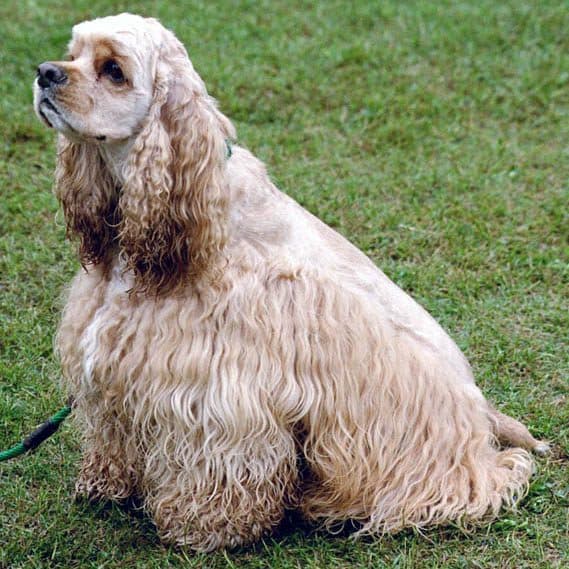
Cocker Spaniel Americano
Smaller and hairier than the English Cocker. Long, abundant coat. Cheerful and affectionate temperament. An excellent urban family dog. Requires a lot of brushing.
Foto: Wikipedia Commons · CC BY-SA
Ideal for
- ✓Families with children
- ✓Medium-sized flats
- ✓Anyone wanting an affectionate dog
Reconsider if
- ×Those without time for brushing
- ×Homes left empty for many hours
Notify me when a Cocker Spaniel Americano is up for adoption
We'll only email you when a verified rescue posts one available. No spam, unsubscribe in 1 click.
We'll only use your email for this alert. More info in our privacy policy.
Is the Cocker Spaniel Americano a good match for you?
Indicative rating from 1 (low) to 5 (high).
💶 Estimated cost of ownership
55-85 €/month
Food 22-35 €, grooming 25-40 € prorated + ear cleaners 5-10 €, antiparasitics 8-12 €, veterinary provision 15-25 €. Frequent grooming and the ears are the key recurring expense.
History and origin
Derived from the English Cocker Spaniel in the USA during the 19th-20th centuries. Smaller and with a more abundant coat. Recognised as a separate breed in 1946.
Recognised by the FCI within group 7 or 8 (pointing or retrieving dogs). Its historical hunting role determines its need for physical exercise and scent work: boredom is the main cause of behavioural problems.
Temperament and character
Cheerful, playful, sociable. Affectionate with the family. Sensitive. Suffers when left alone. Somewhat more highly strung than the English variety. Needs daily mental stimulation — scent games, food-stuffed Kongs and short trick sessions channel its energy better than physical exercise alone. Responds best to positive reinforcement: physical punishment generates fear, anxiety and reactivity — coercive methods are NOT recommended by veterinary behaviourists. Sensitive to the mood of its family: it picks up on tension and catches it.
Living together
Children: excellent. Other dogs: sociable. Cats: good.
Life stages of the Cocker Spaniel Americano
Each stage has its own care priorities. Life expectancy: 12-15 años.
Puppy
0-1 year
Hygiene of the long ears from the start; socialisation; baseline ophthalmological examination.
Young
1-2 years
Frequent ear cleaning (chronic otitis); coat and skin care; eye check-up.
Adult
2-8 years
Monitoring of glaucoma and cataracts; retinal surveillance; management of seborrhoea and dental care.
Senior
8+ years
Regular ophthalmological check-up (glaucoma/retinal atrophy); hearing and cardiac monitoring.
Care
Exercise: 45-60 min/day split into at least 2 sessions. Calm walks + mental play.
Brushing: 2-3 times/week; intensive during the moulting periods (spring and autumn).
Feeding: quality food appropriate to life stage (puppy/adult/senior) and size. Weight control: obesity is the leading preventable cause of joint problems.
Vet: annual check-up with preventive blood work from age 5 (7 in giant breeds); twice a year from age 8.
Exercise 1 h/day. Brushing 4-5 times/week + grooming every 6 weeks. Weekly ear cleaning. Weight control.
Care in detail
🍽️ Nutrition
Quality small-to-medium breed food, with measured portions because it tends to become overweight, which aggravates the joints and heart.
✂️ Grooming
Long, abundant, high-maintenance coat: brushing 4-5 times a week and grooming every 6 weeks; weekly ear cleaning is essential.
🎓 Training
Cheerful, sociable and sensitive: learns well with positive reinforcement and gentle handling. Suffers from loneliness and, if poorly managed, can become nervous or reactive out of fear.
🏃 Exercise
45-60 min daily of walking and play; medium energy, enjoys scent work and water, but does not need the exertion of a field hunter.
Breed-specific health
Chronic otitis. Glaucoma. Cataracts. Heart disease. Retinal atrophy. Life expectancy 12-15 years. Life expectancy 12-15 years with proper care. Pre-breeding tests recommended in responsible kennels (hip dysplasia + cardiac + ophthalmology depending on the breed's conditions). When adopting, ask the rescue for a vet report on the current condition.
🩺 Health predispositions of this breed
Conditions this breed is more predisposed to. Knowing about them helps with prevention and early detection. A predisposition does not mean the animal will develop them.
Common diseases in dogs
Learn the symptoms, prevention and when to see the vet. Reviewed indicative information that does not replace a veterinary consultation.
Screening and prevention for the Cocker Spaniel Americano
Recommended tests and screenings
- ✓Full ophthalmological examination (cataracts, glaucoma, retinal atrophy, 'dry eye'/KCS)
- ✓Ear examination (chronic otitis due to long, hairy ears)
- ✓Official hip X-ray and assessment of patellar luxation
- ✓Cardiology assessment and blood work (cardiomyopathy, autoimmune haemolytic anaemia)
Prevention
Ear cleaning at least weekly, eye care and regular grooming to keep the coat healthy. Weight control, up-to-date vaccination and deworming; in endemic areas, protection against leishmania.
Check-up schedule
Annual check-up with eye and ear examination; blood work from age 6 and two visits a year from age 8.
Warning signs
- !Red, painful eye or reduced vision (glaucoma: emergency; cataracts)
- !Head shaking, bad smell or discharge in the ears (otitis)
- !Pale gums, weakness or lethargy (haemolytic anaemia)
- !Cough, fatigue or exercise intolerance (heart)
Cocker Spaniel Americano gallery

Frequently asked questions about the Cocker Spaniel Americano
- How long does a Cocker Spaniel Americano live? ▾
- The life expectancy of the Cocker Spaniel Americano is 12-15 años. A good diet, adequate exercise, annual veterinary check-ups and preventive care can help reach the upper end of that range.
- How much does a Cocker Spaniel Americano weigh? ▾
- An adult Cocker Spaniel Americano weighs between 10-13 kg, depending on its sex, genetics and condition. It is pequeño-mediano.
- Where does the Cocker Spaniel Americano breed come from? ▾
- The Cocker Spaniel Americano originates from Estados Unidos. Derived from the English Cocker Spaniel in the USA during the 19th-20th centuries. Smaller and with a more abundant coat. Recognised as a separate breed in 1946.
- How much exercise does a Cocker Spaniel Americano need? ▾
- The Cocker Spaniel Americano has media energy. **Exercise:** 45-60 min/day split into at least 2 sessions. Calm walks + mental play.
- Is the Cocker Spaniel Americano good with children? ▾
- Children: excellent. Other dogs: sociable. Cats: good.
- Who is the Cocker Spaniel Americano NOT recommended for? ▾
- It isn't the right breed for: Those without time for brushing. Homes left empty for many hours. It's important to choose a breed that's compatible with your lifestyle.
- What health problems does the Cocker Spaniel Americano have? ▾
- Chronic otitis. Glaucoma. Cataracts. Heart disease. Retinal atrophy. Life expectancy 12-15 years. Life expectancy 12-15 years with proper care. Pre-breeding tests recommended in responsible kennels (hip dysplasia + cardiac + ophthalmology depending on the breed's conditions). When adopting, ask the rescue for a vet report on the current condition.
- How much coat maintenance does it need? ▾
- A lot. Its long, silky coat tangles easily: it needs almost daily brushing and grooming every 6 weeks. Without that routine, mats, dermatitis and skin problems appear.
- Why does it get so many ear infections? ▾
- Its long, hairy, drooping ears close off the ear canal and trap moisture, favouring chronic otitis, the most typical problem of the breed. Weekly cleaning and thorough drying after bathing are essential.
- Is it a good family dog? ▾
- Excellent: cheerful, affectionate and very good with children, ideal for urban life. That said, it is sensitive and very attached, so it copes badly with being left alone for many hours.
- What eye problems should I watch for? ▾
- The breed is prone to cataracts, glaucoma, retinal atrophy and 'dry eye'. Glaucoma (a red, painful eye) is an emergency. Regular ophthalmological check-ups are advisable, and you should buy from breeders who screen the eyes.
- How does it differ from the English Cocker? ▾
- The American is somewhat smaller, with a more rounded skull, a shorter muzzle and an even longer, more abundant coat, which increases its maintenance. In temperament it is somewhat more sensitive and highly strung.
Related and similar breeds
Learn more about dogs
Practical veterinary guides to support your Cocker Spaniel Americano.
Sources and references
Content compiled from official breed standards and leading veterinary sources.
Want to adopt a cocker spaniel americano?
There are cocker spaniel americanos in rescue shelters looking for a family. Filter by breed in the catalogue.