

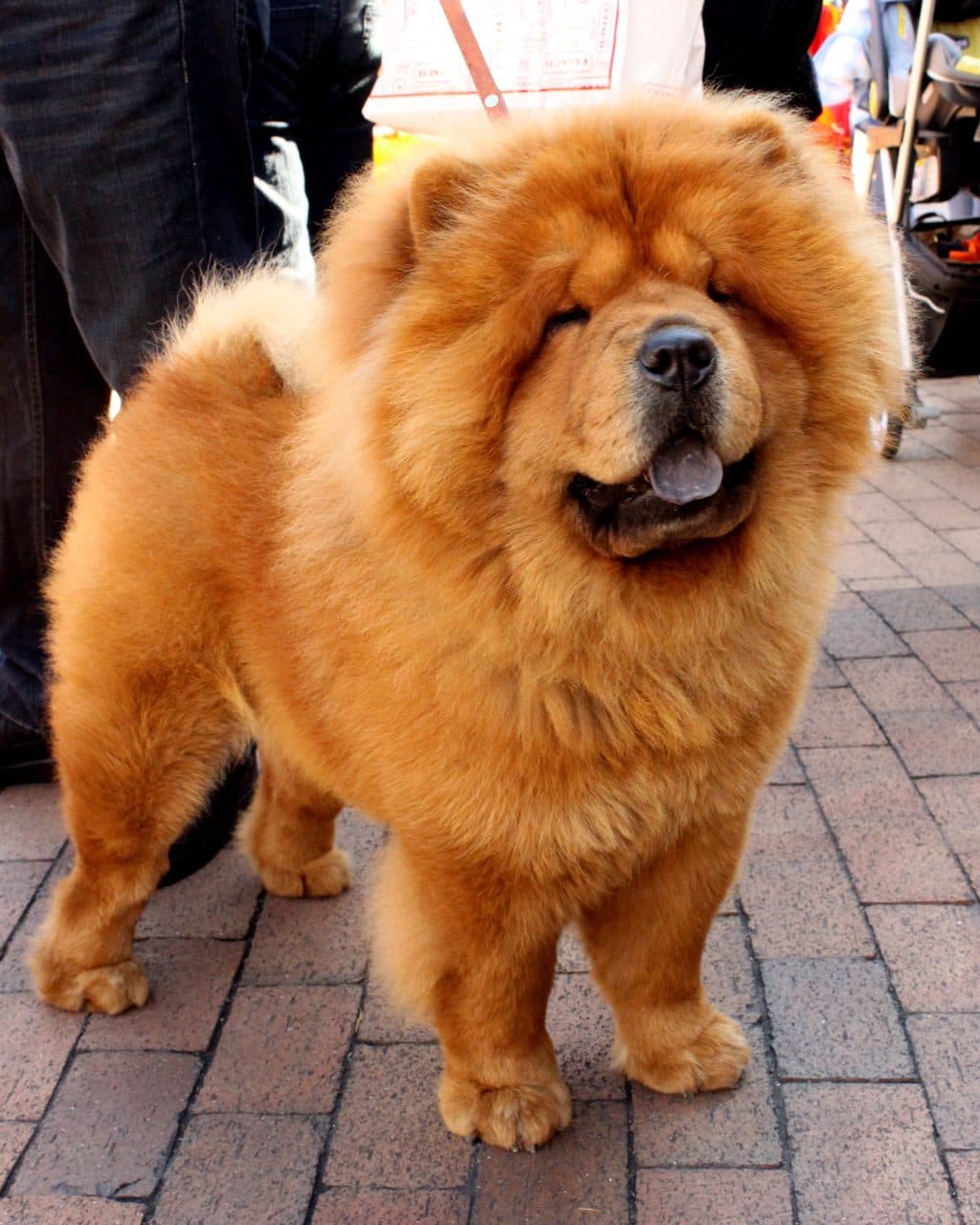
Chow Chow
A lion-cub appearance with a mane. Blue-black tongue. Independent, almost cat-like character. Reserved, loyal to one family. Needs massive socialisation or it becomes reactive.
Foto: Wikipedia Commons · CC BY-SA
Ideal for
- ✓Experienced homes
- ✓Cool climates
- ✓Anyone who values an independent dog
Reconsider if
- ×Beginners
- ×Warm climates
- ×Families with many visitors/young children
Notify me when a Chow Chow is up for adoption
We'll only email you when a verified rescue posts one available. No spam, unsubscribe in 1 click.
We'll only use your email for this alert. More info in our privacy policy.
Is the Chow Chow a good match for you?
Indicative rating from 1 (low) to 5 (high).
💶 Estimated cost of ownership
90-150 €/month
Quality food for a large dog (30-45 €), pro-rated vaccinations and the annual check-up with eye and thyroid screening (20-30 €), parasite treatments by weight (15-20 €), recommended health insurance (15-25 €) and professional grooming/brushing for its dense coat (20-35 €/month pro-rated, higher during the moulting season).
History and origin
An ancient Chinese breed, multi-purpose: hunting, herding, guarding, food. It reached the West via 19th-century trade routes. Queen Victoria popularised it.
Recognised by the FCI within Group 5 (spitz and primitive types). A dense double coat adapted to cold climates: in warm climates it requires precautions (shade, water, avoiding midday walks in summer).
Temperament and character
Reserved, dignified, loyal. Attached to one family. Possible territoriality. Intelligent and stubborn. It hardly plays. Needs daily mental stimulation — scent games, food kongs and short tricks channel its energy better than physical exercise alone. Responds best to positive reinforcement: physical punishment generates fear, anxiety and reactivity — coercive methods are NOT recommended by veterinary behaviourists. Sensitive to its family's mood: it detects tension and picks up on it.
Living together
Children: with its own family only. Other dogs: dominant with the same sex. Cats: variable.
Life stages of the Chow Chow
Each stage has its own care priorities. Life expectancy: 9-15 años.
Puppy
0-15 months
Intensive early socialisation and eye screening (entropion).
Junior
15 months-2 years
Patient training, care of the dense coat and heat control.
Adult
2-7 years
Monitoring of dysplasias, thyroid function and eye health.
Senior
7+ years
Follow-up of joints, ophthalmology (glaucoma) and metabolism.
Care
Exercise: 30-45 min/day split into at least 2 sessions. Calm walks + mental play.
Grooming: daily; intensive during moults (spring and autumn).
Feeding: quality food appropriate to its life stage (puppy/adult/senior) and size. Weight control: obesity is the main preventable cause of joint problems.
Vet: annual check-up with preventive bloodwork from 5 years of age (7 years in giant breeds); twice a year from 8.
Moderate exercise (45 min/day). Grooming 3 times/week, daily during moulting. Copes very badly with heat. Firm, respectful training. Early socialisation CRITICAL.
Care in detail
🍽️ Nutrition
Quality food suited to the life stage with strict portion control: its tendency to be overweight promotes diabetes and overloads dysplastic joints. Water always available, especially in the heat.
✂️ Grooming
A very dense double coat that requires brushing 3 times a week and daily during the intense moults, plus periodic baths. The facial folds and eye area must be checked and cleaned owing to its tendency to entropion.
🎓 Training
Independent, dignified and stubborn, not suited to beginners. Early socialisation is CRITICAL to prevent it becoming reactive or territorial. Firm but always respectful, positive training; it hardly plays, so it must be motivated in another way.
🏃 Exercise
Moderate exercise, 30-45 min daily on calm walks, always avoiding the hot hours. It is a low-energy breed that tolerates high temperatures very poorly.
Breed-specific health
Dysplasia. Entropion. Glaucoma. Diabetes. Hypothyroidism. Gastric cancer. Life expectancy 9-15 years. Life expectancy 9-15 years with proper care. Pre-breeding tests recommended in responsible breeders (dysplasia + cardiac + ophthalmology according to the breed's conditions). When adopting, ask the rescue for a vet report on the current state of health.
🩺 Health predispositions of this breed
Conditions this breed is more predisposed to. Knowing about them helps with prevention and early detection. A predisposition does not mean the animal will develop them.
Common diseases in dogs
Learn the symptoms, prevention and when to see the vet. Reviewed indicative information that does not replace a veterinary consultation.
Screening and prevention for the Chow Chow
Recommended tests and screenings
- ✓Ophthalmological evaluation (entropion and glaucoma, very characteristic of the breed)
- ✓Radiography for hip and elbow dysplasia
- ✓Patellar luxation examination
- ✓Thyroid profile (hypothyroidism)
- ✓Blood glucose check (diabetes) at check-ups
Prevention
Eye monitoring due to its high predisposition to entropion (an inward-rolling eyelid that rubs the eye) and glaucoma. Frequent brushing of its dense double coat, strict heat management (cool climates, shade, water, avoiding midday in summer) and weight control to prevent diabetes and protect the joints.
Check-up schedule
Annual veterinary check-up with ophthalmological and thyroid screening; preventive bloodwork from 5-7 years of age and two visits a year from 8.
Warning signs
- !A watery, squinting or irritated eye, rubbing the face (entropion)
- !A red, painful eye (glaucoma, veterinary emergency)
- !Lethargy, weight gain, dry coat or cold intolerance (hypothyroidism)
- !Excessive thirst and urination, weight loss (diabetes)
- !Heavy panting or collapse in the heat (heatstroke, high risk in the breed)
Chow Chow gallery

Frequently asked questions about the Chow Chow
- How long does a Chow Chow live? ▾
- The life expectancy of the Chow Chow is 9-15 años. A good diet, adequate exercise, annual veterinary check-ups and preventive care can help reach the upper end of that range.
- How much does a Chow Chow weigh? ▾
- An adult Chow Chow weighs between 20-32 kg, depending on its sex, genetics and condition. It is grande.
- Where does the Chow Chow breed come from? ▾
- The Chow Chow originates from China. An ancient Chinese breed, multi-purpose: hunting, herding, guarding, food. It reached the West via 19th-century trade routes. Queen Victoria popularised it.
- How much exercise does a Chow Chow need? ▾
- The Chow Chow has baja energy. **Exercise:** 30-45 min/day split into at least 2 sessions. Calm walks + mental play.
- Is the Chow Chow good with children? ▾
- Children: with its own family only. Other dogs: dominant with the same sex. Cats: variable.
- Who is the Chow Chow NOT recommended for? ▾
- It isn't the right breed for: Beginners. Warm climates. Families with many visitors/young children. It's important to choose a breed that's compatible with your lifestyle.
- What health problems does the Chow Chow have? ▾
- Dysplasia. Entropion. Glaucoma. Diabetes. Hypothyroidism. Gastric cancer. Life expectancy 9-15 years. Life expectancy 9-15 years with proper care. Pre-breeding tests recommended in responsible breeders (dysplasia + cardiac + ophthalmology according to the breed's conditions). When adopting, ask the rescue for a vet report on the current state of health.
- Why does the Chow Chow have a blue tongue? ▾
- It is a unique feature of the breed: the tongue and gums are blue-black from natural pigmentation. A tongue that suddenly turns bluish in another breed would indeed be an emergency, but in the Chow it is normal from birth.
- Is it a good breed for beginners or families with young children? ▾
- It is not usually recommended. It is independent, stubborn and reserved, with a tendency to territoriality. It needs an experienced owner and massive socialisation; it copes better with quiet homes than with houses with many visitors or very young children.
- Why does it tolerate heat so poorly? ▾
- Its dense double coat is designed for the cold. In warm climates it is at high risk of heatstroke: it should be walked first and last thing, offered shade and water, and exercise avoided during the central hours of summer.
- What is entropion and why is it so common in the breed? ▾
- It is the inward rolling of the eyelid, so that the lashes rub the eye causing pain, watering and infections. It is very common in the Chow because of its facial folds and usually requires corrective surgery.
- How much does it shed and what care does it need? ▾
- It sheds a lot, massively during the moults. It requires brushing about 3 times a week and daily during the moult, plus periodic baths, to stop the dense coat from matting.
Related and similar breeds
Learn more about dogs
Practical veterinary guides to support your Chow Chow.
Sources and references
Content compiled from official breed standards and leading veterinary sources.
Want to adopt a chow chow?
There are chow chows in rescue shelters looking for a family. Filter by breed in the catalogue.