

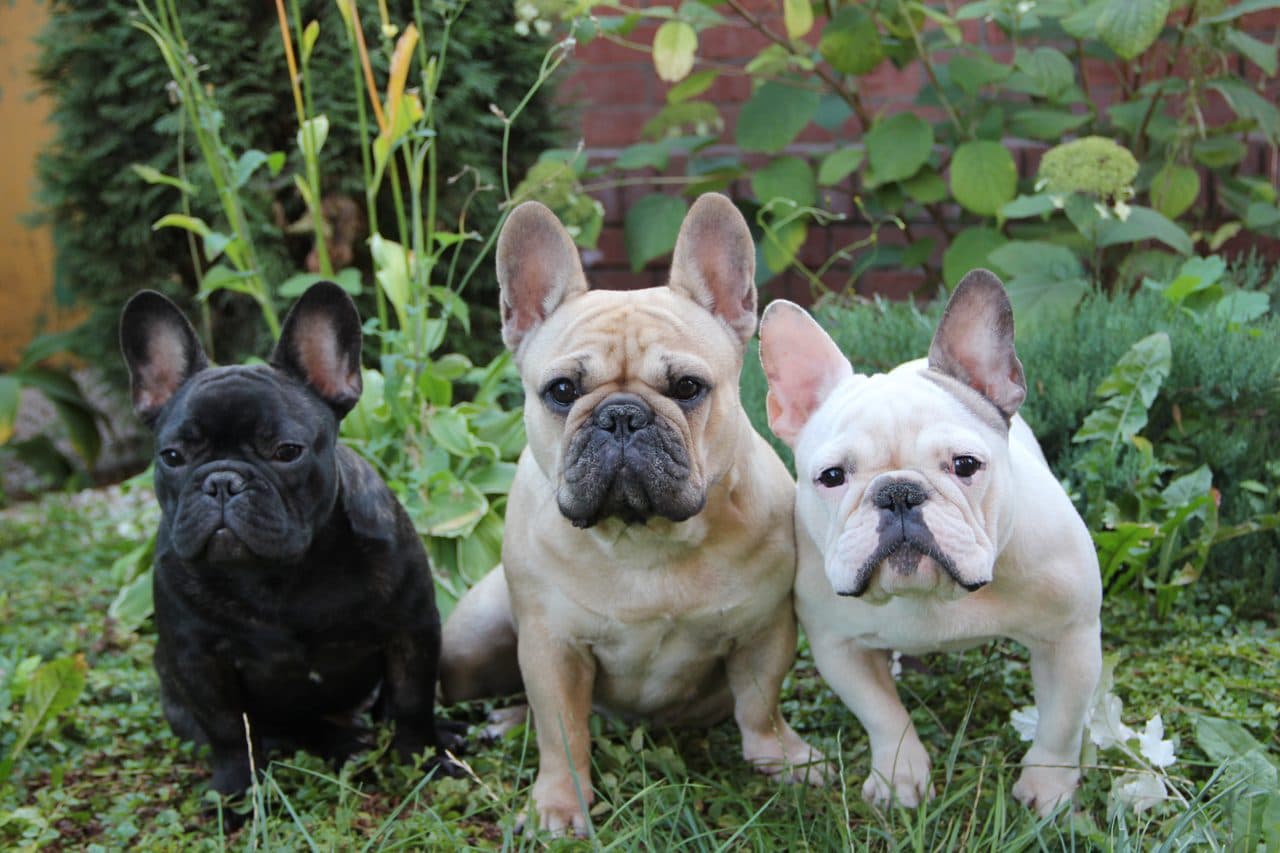
Bulldog Francés
An explosive trend over the past decade. Small, charming and ideal for flat living. But with serious respiratory problems (brachycephalic syndrome) that affect its quality of life. Conscious adoption is required.
Foto: Wikipedia Commons · CC BY-SA
Ideal for
- ✓Small flat
- ✓Sedentary people or those with reduced mobility
- ✓Those who can take on high vet costs
Reconsider if
- ×Very hot climates (frequent heatstroke)
- ×Those looking for an intense exercise companion
- ×Limited vet budget
Notify me when a Bulldog Francés is up for adoption
We'll only email you when a verified rescue posts one available. No spam, unsubscribe in 1 click.
We'll only use your email for this alert. More info in our privacy policy.
Is the Bulldog Francés a good match for you?
Indicative rating from 1 (low) to 5 (high).
💶 Estimated cost of ownership
70-130 €/month
Food 25-40 €, fold/ear hygiene 5-10 €, high veterinary provision 30-60 € (risk of respiratory and ophthalmological surgery), recommended insurance 10-20 €.
History and origin
It emerged in industrial 19th-century France from crossing English bulldogs with local breeds. A pet of Parisian workers and prostitutes. Today it is one of the most popular breeds in the world, especially on social media.
Temperament and character
Friendly and playful but NOT very active. Affectionate with its family. Tolerant of children and other animals. A tendency towards a sedentary lifestyle. It vocalises with snores, sighs and groans (charming or exhausting, depending on taste).
Living together
Children: good with calm children. Other dogs: sociable. Cats: gets on well. Being alone: does NOT tolerate it well.
Life stages of the Bulldog Francés
Each stage has its own care priorities. Life expectancy: 10-12 años.
Puppy
0-9 months
Avoid heat and exertion given its brachycephalic anatomy; care of facial folds; gentle socialisation.
Junior
9 months-1.5 years
Assess the airways and plan corrective surgery if there is snoring/exercise intolerance; strict weight control.
Adult
1.5-8 years
Heatstroke prevention, management of fold dermatitis and monitoring of disc herniations; never overweight.
Senior
8+ years
Respiratory, spinal and skin monitoring; very moderate exercise and a cool environment.
Care
Exercise: short walks 2-3 times a day. AVOID intense exercise or heat (risk of suffocation). Grooming: low. Daily cleaning of the facial folds (moisture → infection). Feeding: food for small breeds with weight control.
Care in detail
🍽️ Nutrition
Food for small breeds with weight control. Being overweight worsens respiratory problems; keep a defined waistline.
✂️ Grooming
Low-shedding, but daily cleaning of the facial folds and drying after bathing. Periodic ear checks.
🎓 Training
Intelligent but somewhat stubborn. Short positive sessions. It tends towards dependence, so it is worth working on being alone from puppyhood.
🏃 Exercise
Short walks 2-3 times a day, always in the cooler hours. No exertion in the heat and no unsupervised swimming (they sink).
Breed-specific health
BRACHYCEPHALIC: common respiratory syndrome (soft palate, narrow nostrils). Many need surgery. Eye problems. Skin problems. Disc herniations. Natural birth impossible (caesarean section mandatory). Life expectancy 10-12 years.
🩺 Health predispositions of this breed
Conditions this breed is more predisposed to. Knowing about them helps with prevention and early detection. A predisposition does not mean the animal will develop them.
Common diseases in dogs
Learn the symptoms, prevention and when to see the vet. Reviewed indicative information that does not replace a veterinary consultation.
Screening and prevention for the Bulldog Francés
Recommended tests and screenings
- ✓Respiratory assessment (brachycephalic syndrome: nostrils and soft palate)
- ✓Ophthalmological examination (ulcers and prolapse of the tear gland)
- ✓Dermatological review of the facial folds
- ✓Spinal radiography (hemivertebrae/herniations)
- ✓BOAS exercise tolerance test
Prevention
Absolutely avoid heat and intense exercise (risk of heatstroke and suffocation), strict weight control, daily cleaning of the facial folds to prevent infections, and a harness rather than a collar.
Check-up schedule
Annual check-up with respiratory assessment; every six months if brachycephalic syndrome has been diagnosed.
Warning signs
- !Very noisy breathing, choking or cyanosis (bluish tongue/gums)
- !Exercise intolerance or fainting
- !Red, squinting or watering eye
- !Redness or bad smell in the folds of the face
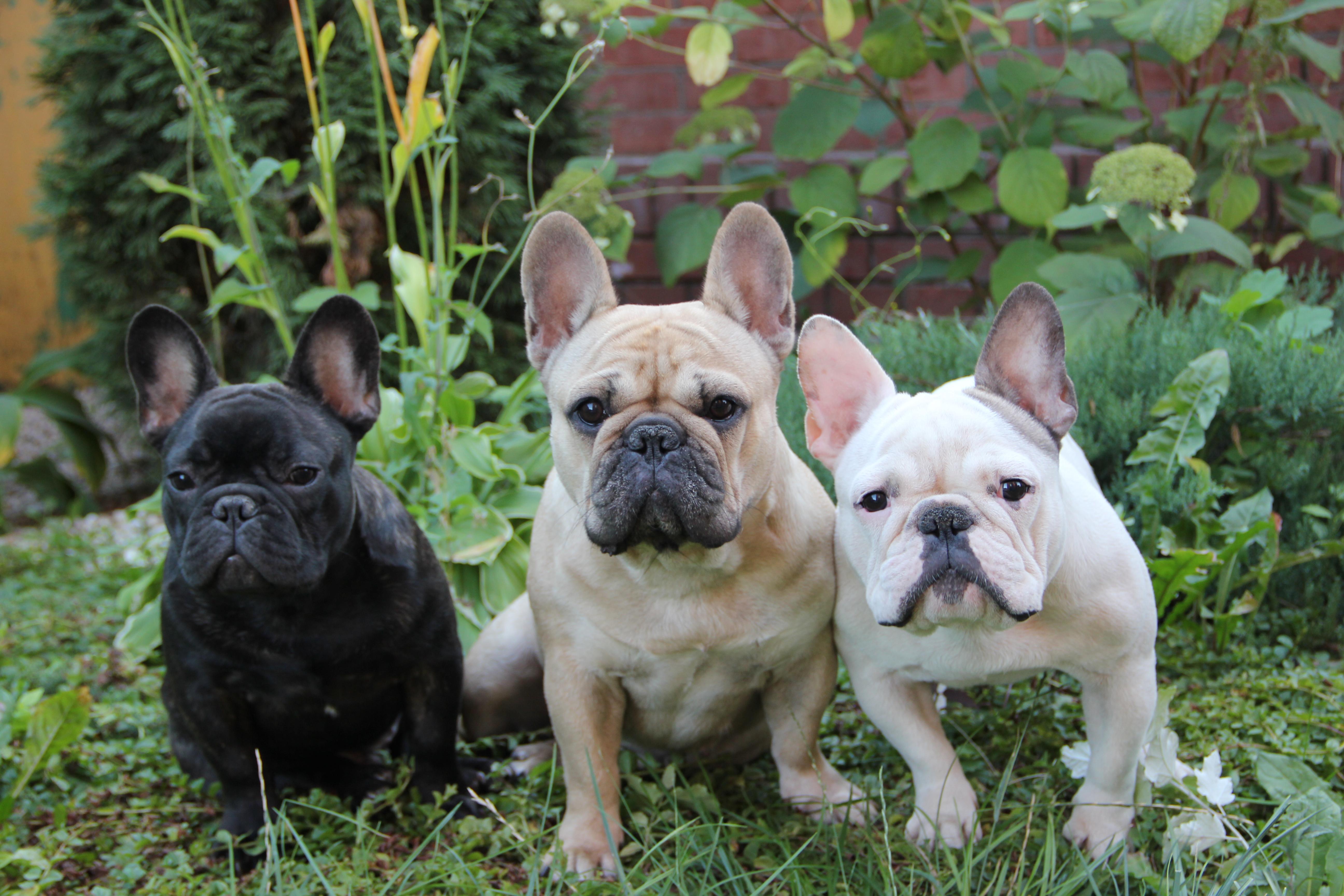
Bulldog Francés gallery
Frequently asked questions about the Bulldog Francés
- How long does a Bulldog Francés live? ▾
- The life expectancy of the Bulldog Francés is 10-12 años. A good diet, adequate exercise, annual veterinary check-ups and preventive care can help reach the upper end of that range.
- How much does a Bulldog Francés weigh? ▾
- An adult Bulldog Francés weighs between 8-14 kg, depending on its sex, genetics and condition. It is pequeño.
- Where does the Bulldog Francés breed come from? ▾
- The Bulldog Francés originates from Francia. It emerged in industrial 19th-century France from crossing English bulldogs with local breeds. A pet of Parisian workers and prostitutes. Today it is one of the most popular breeds in the world, especially on social media.
- How much exercise does a Bulldog Francés need? ▾
- The Bulldog Francés has baja energy. Exercise: short walks 2-3 times a day. AVOID intense exercise or heat (risk of suffocation). Grooming: low. Daily cleaning of the facial folds (moisture → infection). Feeding: food for small breeds with weight control.
- Is the Bulldog Francés good with children? ▾
- Children: good with calm children. Other dogs: sociable. Cats: gets on well. Being alone: does NOT tolerate it well.
- Who is the Bulldog Francés NOT recommended for? ▾
- It isn't the right breed for: Very hot climates (frequent heatstroke). Those looking for an intense exercise companion. Limited vet budget. It's important to choose a breed that's compatible with your lifestyle.
- What health problems does the Bulldog Francés have? ▾
- BRACHYCEPHALIC: common respiratory syndrome (soft palate, narrow nostrils). Many need surgery. Eye problems. Skin problems. Disc herniations. Natural birth impossible (caesarean section mandatory). Life expectancy 10-12 years.
- Why can't they tolerate heat? ▾
- Their brachycephalic (flat) skull makes it hard to cool down by panting. In summer or with exertion they can suffer fatal heatstroke within minutes. Keep them in a cool place and only walk them first and last thing.
- Do they definitely need surgery? ▾
- Not all of them, but many require surgical correction of the nostrils and soft palate to breathe well. It is an expense to plan for; an early respiratory assessment helps you decide.
- Can they have puppies naturally? ▾
- Generally no. The puppy's large head and the mother's narrow pelvis almost always require a caesarean section, with the associated risks and costs.
- Can they cope with being left alone? ▾
- Poorly. They are very dependent and prone to separation anxiety. They are not suitable for homes with long days away without company.
Related and similar breeds
Learn more about dogs
Practical veterinary guides to support your Bulldog Francés.
Sources and references
Content compiled from official breed standards and leading veterinary sources.
Want to adopt a bulldog francés?
There are bulldog francéss in rescue shelters looking for a family. Filter by breed in the catalogue.