

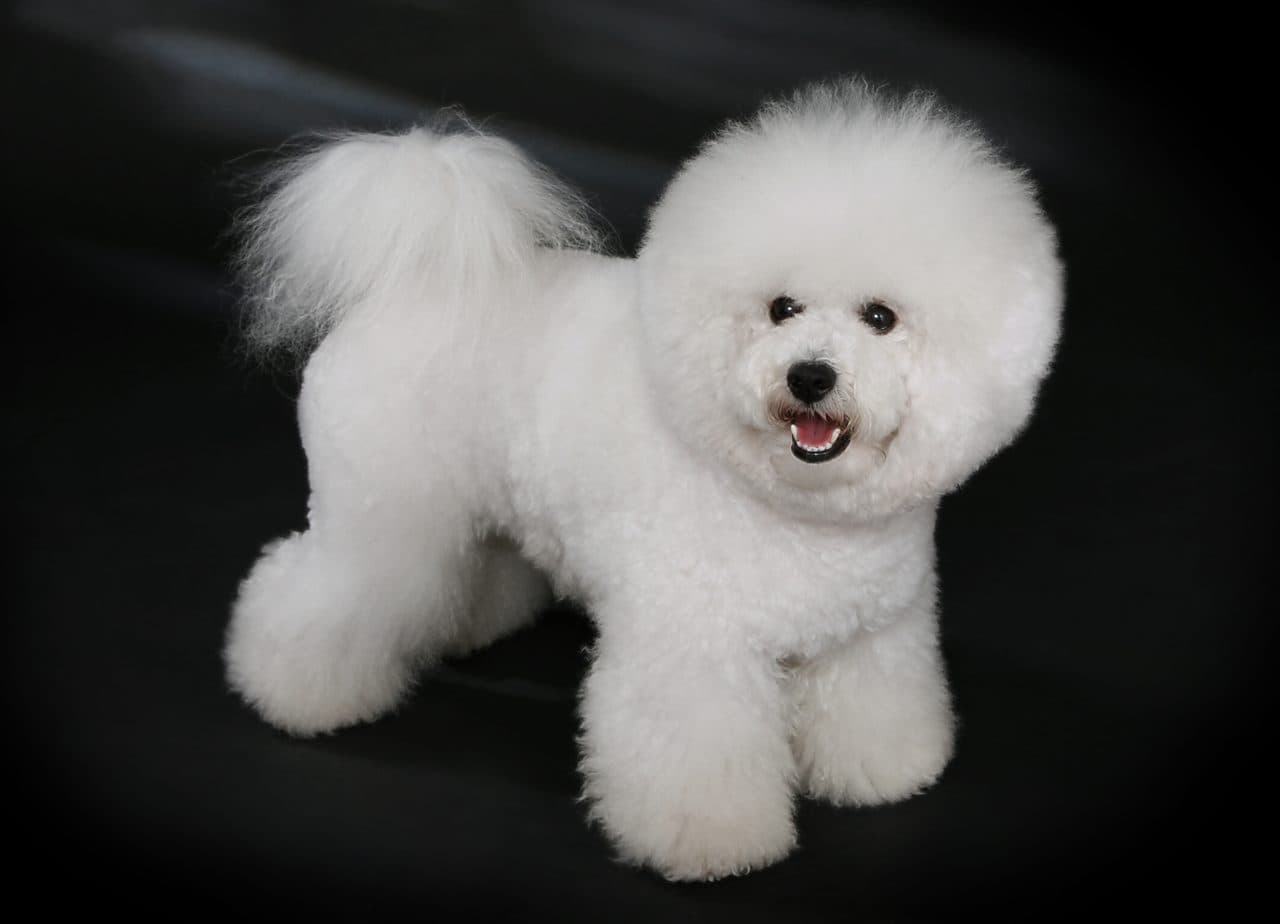
Bichón Frisé
A ball of white cotton wool. Cheerful, sociable character, "always happy". Hypoallergenic (does not shed). Excellent for families. Somewhat independent but very affectionate.
Foto: Wikipedia Commons · CC BY-SA
Ideal for
- ✓Families with children
- ✓People allergic to hair
- ✓Flats
Reconsider if
- ×Those who don't want a dog groomer
- ×Households with no company during the day
Notify me when a Bichón Frisé is up for adoption
We'll only email you when a verified rescue posts one available. No spam, unsubscribe in 1 click.
We'll only use your email for this alert. More info in our privacy policy.
Is the Bichón Frisé a good match for you?
Indicative rating from 1 (low) to 5 (high).
💶 Estimated cost of ownership
70-120 €/month
Premium food for a small breed (15-25 €), pro-rated vaccinations and annual check-up (15-25 €), internal and external parasite control (10-15 €), optional liability/health insurance (10-20 €) and professional grooming every 6-8 weeks, which is the breed's distinctive expense (25-40 €/month pro-rated).
History and origin
Mediterranean, popularised by Canary Island sailors in the 13th-14th centuries. Passed through Italy, France and Spain as a dog of the nobility.
Recognised by the FCI within group 9 (companion dogs). Its small size makes flat living easy, but "small" is not a synonym for "needs no training": small dog syndrome (excessive barking, fearfulness, reactivity) is common when it is not given the same routine as a large dog.
Temperament and character
Cheerful, sociable, playful and very good-natured. Suffers from loneliness. Learns quickly. Good with everyone. Needs daily mental stimulation — scent games, food-stuffed Kongs and short trick sessions channel its energy better than physical exercise alone. Responds best to positive reinforcement: physical punishment generates fear, anxiety and reactivity — coercive methods are NOT recommended by veterinary behaviourists. Sensitive to its family's mood: it picks up on tension and is affected by it.
Living together
Children: excellent. Other dogs: sociable. Cats: good.
Life stages of the Bichón Frisé
Each stage has its own care priorities. Life expectancy: 12-15 años.
Puppy
0-10 months
Early socialisation, vaccination and a care routine for the white coat and tear ducts.
Junior
10 months-2 years
Training, early tartar control and monitoring for patellar luxation.
Adult
2-8 years
Routine dental hygiene, control of skin allergies and management of urinary stones.
Senior
8+ years
Ophthalmological check-ups (cataracts), renal and joint monitoring every six months.
Care
Exercise: 45-60 min/day split into at least 2 sessions. Calm walks + mental play.
Brushing: daily; intensive during moulting seasons (spring and autumn).
Feeding: quality food suited to life stage (puppy/adult/senior) and size. Weight control: obesity is the leading preventable cause of joint problems.
Vet: annual check-up with preventive blood work from 5 years of age (7 years in giant breeds); twice a year from 8.
Brushing 3-4 times a week. Grooming every 6-8 weeks. Regular baths (white gets dirty). Eye cleaning. Moderate exercise.
Care in detail
🍽️ Nutrition
Quality food for small breeds adapted to the life stage. Measured portions to avoid excess weight, which aggravates the kneecaps. Dental snacks are useful given its tendency to tartar.
✂️ Grooming
The most demanding upkeep of the breed: daily brushing to prevent matting of its curly coat, professional grooming every 6-8 weeks and regular baths (white gets dirty easily). Frequent cleaning of the tear ducts to prevent staining.
🎓 Training
Learns quickly and enjoys short positive trick sessions. It is advisable to prevent small dog syndrome and to work on time alone gradually from puppyhood to avoid separation anxiety.
🏃 Exercise
45-60 min a day in 2 sessions: calm walks combined with mental play (scent work, Kongs). It does not need intense exercise but does need daily stimulation.
Breed-specific health
Skin allergies. Patellar luxation. Cataracts. Retinal atrophy. Dental problems. Life expectancy 12-15 years. Life expectancy of 12-15 years with proper care. Pre-breeding tests are recommended in responsible breeding programmes (dysplasia + cardiac + ophthalmology according to the breed's conditions). When adopting, ask the shelter for a vet report on the current health status.
🩺 Health predispositions of this breed
Conditions this breed is more predisposed to. Knowing about them helps with prevention and early detection. A predisposition does not mean the animal will develop them.
Common diseases in dogs
Learn the symptoms, prevention and when to see the vet. Reviewed indicative information that does not replace a veterinary consultation.
Screening and prevention for the Bichón Frisé
Recommended tests and screenings
- ✓Annual ophthalmological evaluation (cataracts, progressive retinal atrophy)
- ✓Patellar luxation examination (OFA/patella grades)
- ✓Periodic dental check-up (breed very prone to tartar and periodontal disease)
- ✓Dermatological/skin allergy testing for recurrent itching
Prevention
Daily brushing to prevent matting, dental hygiene with frequent brushing, cleaning of the skin folds and tear ducts to prevent staining and infections, and weight control to avoid overloading the kneecaps.
Check-up schedule
Annual veterinary check-up with dental cleaning assessed; preventive blood work from 5-7 years of age and two visits a year from 8.
Warning signs
- !Lameness or an intermittent skip in a hind leg (patellar luxation)
- !Persistent scratching, licking or skin redness (allergies)
- !Cloudy eyes or stumbling at dusk (cataracts/retina)
- !Bad breath, tartar or difficulty eating (dental disease)
Bichón Frisé gallery

Frequently asked questions about the Bichón Frisé
- How long does a Bichón Frisé live? ▾
- The life expectancy of the Bichón Frisé is 12-15 años. A good diet, adequate exercise, annual veterinary check-ups and preventive care can help reach the upper end of that range.
- How much does a Bichón Frisé weigh? ▾
- An adult Bichón Frisé weighs between 5-10 kg, depending on its sex, genetics and condition. It is pequeño.
- Where does the Bichón Frisé breed come from? ▾
- The Bichón Frisé originates from Mediterráneo (Tenerife). Mediterranean, popularised by Canary Island sailors in the 13th-14th centuries. Passed through Italy, France and Spain as a dog of the nobility.
- How much exercise does a Bichón Frisé need? ▾
- The Bichón Frisé has media energy. **Exercise:** 45-60 min/day split into at least 2 sessions. Calm walks + mental play.
- Is the Bichón Frisé good with children? ▾
- Children: excellent. Other dogs: sociable. Cats: good.
- Who is the Bichón Frisé NOT recommended for? ▾
- It isn't the right breed for: Those who don't want a dog groomer. Households with no company during the day. It's important to choose a breed that's compatible with your lifestyle.
- What health problems does the Bichón Frisé have? ▾
- Skin allergies. Patellar luxation. Cataracts. Retinal atrophy. Dental problems. Life expectancy 12-15 years. Life expectancy of 12-15 years with proper care. Pre-breeding tests are recommended in responsible breeding programmes (dysplasia + cardiac + ophthalmology according to the breed's conditions). When adopting, ask the shelter for a vet report on the current health status.
- Is the Bichon Frise really hypoallergenic? ▾
- It sheds very little and its curly coat retains dander, so many allergy sufferers tolerate it better. No dog is 100% hypoallergenic, but the Bichon is one of the most recommended for allergy sufferers.
- How often does it need grooming? ▾
- Every 6-8 weeks with a dog groomer, plus daily brushing at home. Without that upkeep its coat mats into painful knots that force it to be shaved.
- Can it be left alone for many hours? ▾
- This is one of its biggest weaknesses: it suffers from loneliness and can develop separation anxiety. It should be accustomed gradually from puppyhood and not left alone for full days.
- Is it a good breed for families with children? ▾
- Excellent: cheerful, sociable and good-natured. Like any small dog, play with very young children should be supervised to avoid falls or rough handling.
- Why do its eyes get stained brown? ▾
- Tear stains are common in white dogs. They are reduced by cleaning the tear-duct area daily, keeping the facial hair trimmed and checking there is no underlying eye infection.
Related and similar breeds
Learn more about dogs
Practical veterinary guides to support your Bichón Frisé.
Sources and references
Content compiled from official breed standards and leading veterinary sources.
Want to adopt a bichón frisé?
There are bichón frisés in rescue shelters looking for a family. Filter by breed in the catalogue.