

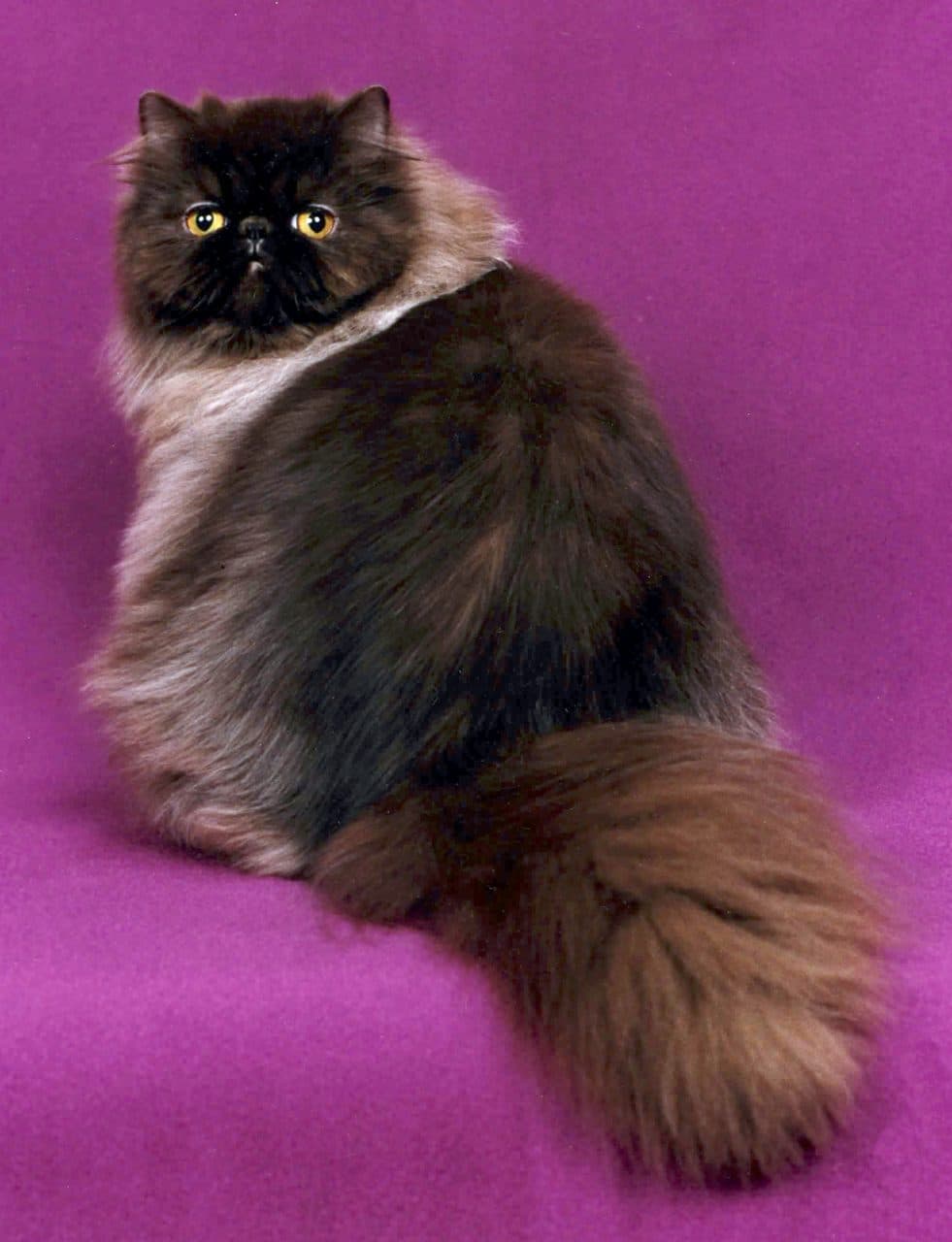
Persa
The most well-known breed. Calm, docile character, ideal for flat living. But its flat face (brachycephaly) causes serious respiratory and eye problems. The long coat requires daily brushing.
Foto: Wikipedia Commons · CC BY-SA
Ideal for
- ✓Calm households
- ✓Older people
- ✓Small flats
- ✓Those with time for daily brushing
Reconsider if
- ×Households with very active children
- ×Those who cannot dedicate time to its coat
- ×Intense heat (respiratory)
Notify me when a Persa is up for adoption
We'll only email you when a verified rescue posts one available. No spam, unsubscribe in 1 click.
We'll only use your email for this alert. More info in our privacy policy.
Is the Persa a good match for you?
Indicative rating from 1 (low) to 5 (high).
💶 Estimated cost of ownership
40-65 €/month
Food: 18-28 € · Hygiene and litter: 10-18 € · Vet and prevention: 12-22 €
History and origin
A long-haired breed of Persian origin, one of the oldest and most popular. Its selection towards extreme brachycephalic faces has linked the breed to respiratory and eye problems and to polycystic kidney disease (PKD).
Temperament and character
Calm, docile, forming an intense bond with its person. Rarely vocalises. Adapts to indoor living. Sociable with family, reserved with strangers.
Living together
Children: with older, respectful children. Other cats: tolerant. Dogs: fine with calm ones.
Life stages of the Persa
Each stage has its own care priorities. Life expectancy: 12-17 años.
Kitten
0-6 months
Socialisation, vaccination, daily cleaning of the tear ducts and brushing to get it used to coat handling.
Junior
6 months-2 years
Neutering, ultrasound/genetic screening for PKD, monitoring of dental occlusion and airways.
Adult
2-10 years
Daily brushing, facial fold hygiene, HCM echocardiography and weight control.
Senior
11+ years
Monitoring of kidney function, blood pressure, heart disease and joint comfort.
Care
DAILY brushing is essential (the long coat mats easily). Cleaning of the facial folds 2-3 times a week. Daily eye cleaning (chronic tearing). Bath every 2-3 weeks. Feeding: food formulated for long-haired breeds.
Care in detail
🍽️ Nutrition
Quality food for long-haired cats with a hairball-control formula; a combination of wet and dry food and water always available to protect the kidneys.
✂️ Grooming
Very demanding: daily brushing is essential to prevent mats, daily eye cleaning for the chronic tearing, cleaning of the facial folds 2-3 times a week and a bath every 2-3 weeks.
🎓 Training
A calm, docile cat; focus on gentle socialisation, kind handling for grooming and a stable environment. It takes well to indoor life.
🏃 Exercise
Low energy: short play sessions and scratching posts are enough; it is not a particularly active cat.
Breed-specific health
BRACHYCEPHALIC: respiratory issues, watery eyes, dental problems. PKD (polycystic kidney disease): high incidence. Hypertrophic cardiomyopathy. Life expectancy 12-17 years.
🩺 Health predispositions of this breed
Conditions this breed is more predisposed to. Knowing about them helps with prevention and early detection. A predisposition does not mean the animal will develop them.
Common diseases in cats
Learn the symptoms, prevention and when to see the vet. Reviewed indicative information that does not replace a veterinary consultation.
Screening and prevention for the Persa
Recommended tests and screenings
- ✓Genetic test/renal ultrasound for polycystic kidney disease (PKD)
- ✓Echocardiography for hypertrophic cardiomyopathy (HCM)
- ✓Respiratory and ophthalmological assessment (brachycephaly)
- ✓Dental check
Prevention
Daily brushing and frequent cleaning of the eyes and folds, weight control, a cool environment in summer because of its brachycephaly, and buying from PKD-negative lines.
Check-up schedule
Annual check-up; from 7 years of age, periodic renal blood work and cardiac monitoring.
Warning signs
- !Increased thirst and urination or weight loss (kidney disease)
- !Laboured or open-mouth breathing
- !Heavy eye discharge or ulcers
- !Lethargy, rapid breathing or fainting (heart disease)
Persa gallery

Frequently asked questions about the Persa
- How long does a Persa live? ▾
- The life expectancy of the Persa is 12-17 años. A good diet, adequate exercise, annual veterinary check-ups and preventive care can help reach the upper end of that range.
- How much does a Persa weigh? ▾
- An adult Persa weighs between 3-7 kg, depending on its sex, genetics and condition. It is mediano-grande.
- Where does the Persa breed come from? ▾
- The Persa originates from Irán (Persia). A long-haired breed of Persian origin, one of the oldest and most popular. Its selection towards extreme brachycephalic faces has linked the breed to respiratory and eye problems and to polycystic kidney disease (PKD).
- How much exercise does a Persa need? ▾
- The Persa has baja energy. DAILY brushing is essential (the long coat mats easily). Cleaning of the facial folds 2-3 times a week. Daily eye cleaning (chronic tearing). Bath every 2-3 weeks. Feeding: food formulated for long-haired breeds.
- Is the Persa good with children? ▾
- Children: with older, respectful children. Other cats: tolerant. Dogs: fine with calm ones.
- Who is the Persa NOT recommended for? ▾
- It isn't the right breed for: Households with very active children. Those who cannot dedicate time to its coat. Intense heat (respiratory). It's important to choose a breed that's compatible with your lifestyle.
- What health problems does the Persa have? ▾
- BRACHYCEPHALIC: respiratory issues, watery eyes, dental problems. PKD (polycystic kidney disease): high incidence. Hypertrophic cardiomyopathy. Life expectancy 12-17 years.
- How much care does the Persian's coat need? ▾
- A great deal. Its long coat tangles easily and requires daily brushing; without it, painful mats form that sometimes force the cat to be shaved.
- What problems does its flat face cause? ▾
- Brachycephaly causes breathing difficulties, chronic tearing and dental and eye problems. It should be kept cool and its eyes cleaned daily.
- What is PKD and how is it avoided? ▾
- Polycystic kidney disease is hereditary and common in the breed. It is avoided by buying from lines with a negative genetic test or renal ultrasound in the parents.
- Is it a good cat for a flat? ▾
- Yes, it is one of the most suitable: calm, home-loving and low energy. It only needs time for its daily brushing and a cool environment.
- Does it get on well with children and dogs? ▾
- It lives well with respectful, older children and calm dogs. It does not like very noisy or rough environments.
Related and similar breeds
Learn more about cats
Practical veterinary guides to support your Persa.
Sources and references
Content compiled from official breed standards and leading veterinary sources.
Want to adopt a persa?
There are persas in rescue shelters looking for a family. Filter by breed in the catalogue.