

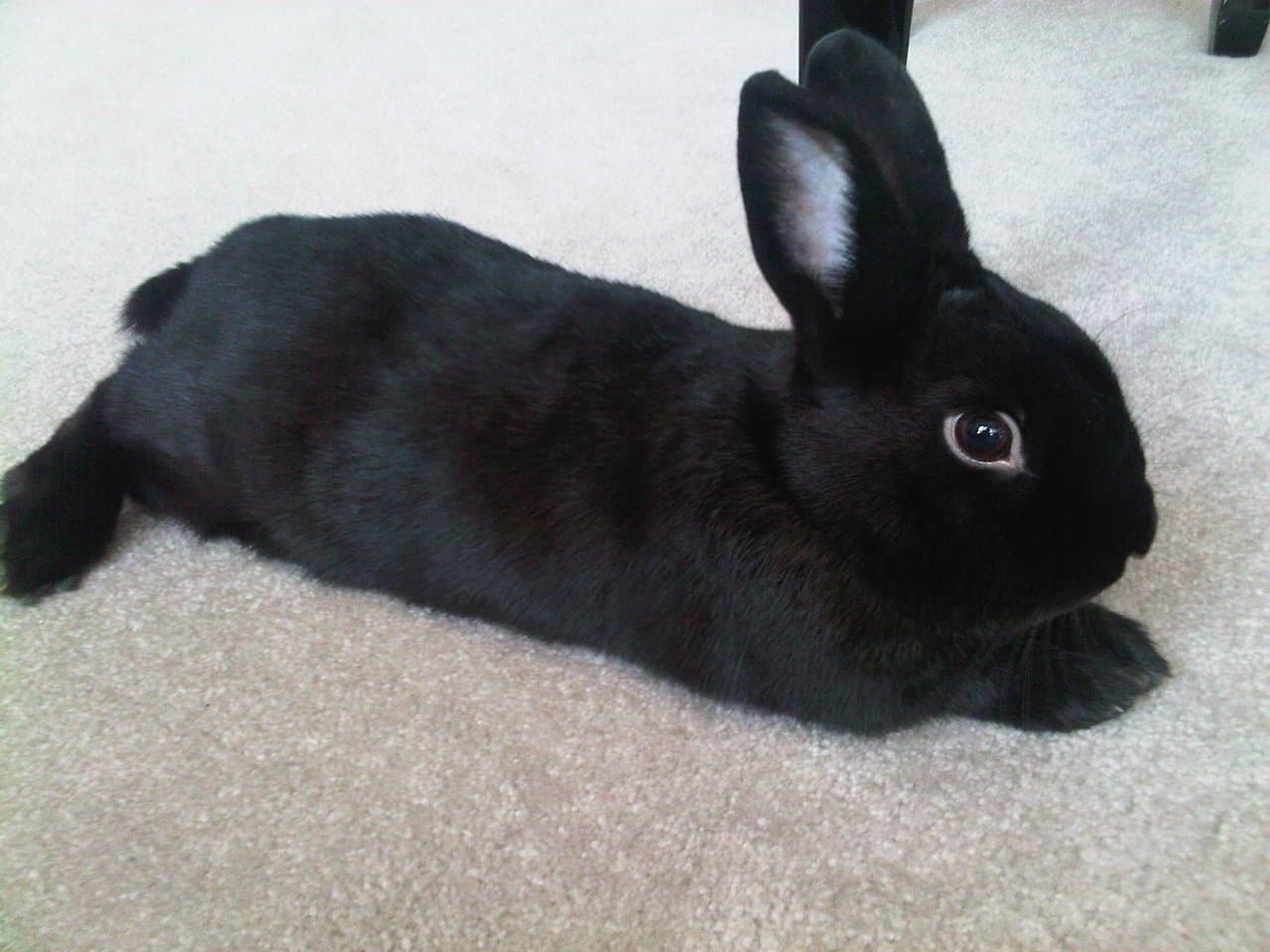
Havana
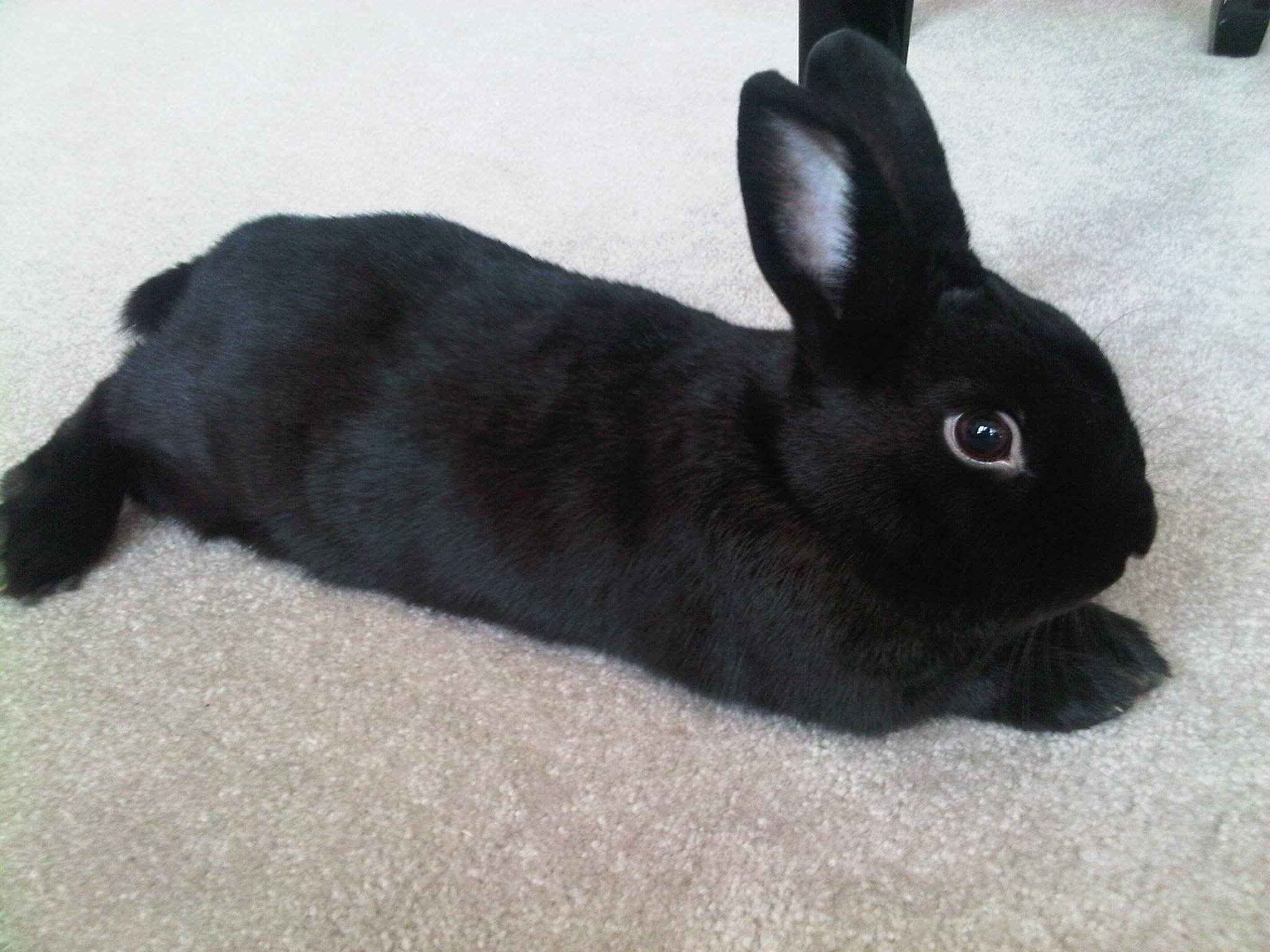
A glossy dark chocolate coat. One of the oldest breeds.
Foto: Wikipedia Commons · CC BY-SA
Ideal for
- ✓Families with time for daily care
- ✓Homes with space for a free-roam area
- ✓Those looking for a quiet pet
Reconsider if
- ×Homes with loose hunting dogs
- ×Rough young children (rabbits are easily frightened)
- ×Life 100% in a cage (cruel · they need 4 h/day out)
Notify me when a Havana is up for adoption
We'll only email you when a verified rescue posts one available. No spam, unsubscribe in 1 click.
We'll only use your email for this alert. More info in our privacy policy.
Is the Havana a good match for you?
Indicative rating from 1 (low) to 5 (high).
💶 Estimated cost of ownership
40-65 €/month
Quality hay ~€10-18, fibre pellets ~€6-10, fresh vegetables ~€10-15, litter/substrate for the corner ~€8-14. Annual myxo+RHD vaccine and exotics check-up, prorated ~€8-12/month. One-off costs apart: neutering €120-250, initial cage/pen €60-150, carrier €20-40. Unexpected exotics veterinary bills can be high (a stasis or dental surgery, €150-500): an emergency fund or insurance is advisable.
History and origin
Developed in the Netherlands around 1898; named for the colour of its coat, similar to Havana tobacco and famous for its intense shine.
Temperament and character
Shy by nature (a prey animal). Gains confidence with patience. Sociable with other neutered rabbits. NOT a loner — a pair is always better.
Living together
Children: with respectful ones from age 8 (no rough handling). **Other rabbits:** yes (neutered, gradual introduction). **Dogs:** avoid hunting dogs. **Cats:** possible, supervise.
Life stages of the Havana
Each stage has its own care priorities. Life expectancy: 5-8 años.
Kit
0-4 months
Gradual weaning; development of the dense, glossy coat; prevention of coccidiosis
Junior
4-12 months
Compact body growth; socialisation and neutering
Adult
1-5 years
Maintenance with ad libitum hay and weight control
Senior
5+ years
Dental and digestive monitoring and regular check-ups
Care
Space: at least 4 h/day out of the cage in a safe area. Cage = rest/overnight only.
Feeding: 80% quality hay (Timothy/Italian Ryegrass), 15% fresh vegetables, 5% quality pellets (limit).
Brushing: 2-3 times/week (daily during moults + long-haired breeds).
Veterinarian: exotic vet (NOT a regular vet — different anatomy/pharmacology). Annual myxomatosis + RHD vaccine. Neutering at 4-6 months (prevents uterine cancer in 80%+ of intact females).
Care in detail
🍽️ Nutrition
70-80% grass hay ad libitum (Timothy, meadow, ryegrass) available 24 h: it is the basis of the diet and wears down the teeth. 10-15% varied, safe fresh vegetables (leafy greens: lamb's lettuce, escarole, herbs, carrot tops). Fibre-rich rabbit-specific pellets, limited (around 25 g/kg of body weight per day) to prevent obesity. Always clean water, best in a bowl drinker. Forbidden: cereals, bread, nuts, commercial treats and excess fruit (only as an occasional treat).
✂️ Grooming
Short coat: brush once a week and daily during seasonal moults (spring and autumn) to reduce ingested hair. Trim the nails every 4-6 weeks. Check daily that the rear is clean.
🎓 Training
Handling: the rabbit is a prey animal, so its trust is earned with patience, at its level and without chasing it. It almost never tolerates being picked up well; always support the hindquarters when holding it (a kick into the air can fracture its spine) and it is better to interact at floor level. It learns to use the litter corner very well if neutered.
🏃 Exercise
At least 3-4 h daily loose in a safe, rabbit-proofed area (protected cables, no toxic plants). The cage or pen is only for resting: living shut away all day is harmful both physically and mentally. Tunnels, boxes and foraging toys keep its mind active.
Breed-specific health
Common rabbit conditions: GI Stasis (digestive shutdown · EMERGENCY), dental malocclusion (check every 6 months), encephalitozoonosis. Life expectancy 5-8 years with proper care.
🩺 Health predispositions of this breed
Conditions this breed is more predisposed to. Knowing about them helps with prevention and early detection. A predisposition does not mean the animal will develop them.
Common diseases in rabbits
Learn the symptoms, prevention and when to see the vet. Reviewed indicative information that does not replace a veterinary consultation.
Screening and prevention for the Havana
Recommended tests and screenings
- ✓Full dental examination (incisors and molars) to detect malocclusion
- ✓Abdominal palpation and monitoring of digestive transit (gastrointestinal stasis)
- ✓Serology or PCR for Encephalitozoon cuniculi
- ✓Faecal analysis (coccidia and parasites)
- ✓Examination of the soles of the feet (pododermatitis)
Prevention
Annual vaccination against myxomatosis and viral haemorrhagic disease (RHDV1 and RHDV2), key in the UK because of biting insects and wild rabbits. Neutering at 4-6 months (prevents uterine adenocarcinoma, which affects the majority of intact females over 3-4 years, and reduces marking and aggression). Deworming as advised by the exotic vet. A diet based on hay ad libitum to wear down the teeth and maintain gut transit; weight control.
Check-up schedule
Annual general veterinary check-up with an exotics vet and a dental check every 6 months. From 5-6 years of age, six-monthly check-ups.
Warning signs
- !Stopping eating or defecating for more than 12 h (intestinal stasis: veterinary EMERGENCY)
- !Drooling, watery eyes or dropping food (a sign of dental malocclusion)
- !Head tilt, rolling or loss of balance (E. cuniculi or ear infection)
- !Nasal or ocular discharge and sneezing (pasteurellosis/"snuffles")
- !Very small, absent droppings or diarrhoea; apathy and collapse
Havana gallery
Frequently asked questions about the Havana
- How long does a Havana live? ▾
- The life expectancy of the Havana is 5-8 años. A good diet, adequate exercise, annual veterinary check-ups and preventive care can help reach the upper end of that range.
- How much does a Havana weigh? ▾
- An adult Havana weighs between 2.2-3 kg, depending on its sex, genetics and condition. It is mediano.
- Where does the Havana breed come from? ▾
- The Havana originates from Países Bajos. Developed in the Netherlands around 1898; named for the colour of its coat, similar to Havana tobacco and famous for its intense shine.
- How much exercise does a Havana need? ▾
- The Havana has media energy. **Space:** at least 4 h/day out of the cage in a safe area. Cage = rest/overnight only.
- Is the Havana good with children? ▾
- **Children:** with respectful ones from age 8 (no rough handling). **Other rabbits:** yes (neutered, gradual introduction). **Dogs:** avoid hunting dogs. **Cats:** possible, supervise.
- Who is the Havana NOT recommended for? ▾
- It isn't the right breed for: Homes with loose hunting dogs. Rough young children (rabbits are easily frightened). Life 100% in a cage (cruel · they need 4 h/day out). It's important to choose a breed that's compatible with your lifestyle.
- What health problems does the Havana have? ▾
- Common rabbit conditions: GI Stasis (digestive shutdown · EMERGENCY), dental malocclusion (check every 6 months), encephalitozoonosis. Life expectancy 5-8 years with proper care.
- Is the Havana a good pet for beginners? ▾
- It is a docile and adaptable rabbit, suitable for those starting out provided they thoroughly learn about its care. In any case, it is not a "cage" pet: it needs several hours loose each day and companionship.
- Can it live alone or does it need company? ▾
- The rabbit is very social and is usually better off in a pair (both neutered, with a gradual introduction on neutral territory). If it lives alone, it needs plenty of daily interaction; it should never spend the day shut away without stimulation.
- How much coat care does the Havana need? ▾
- Little: a short coat with weekly brushing, and daily only during seasonal moults to reduce ingested hair (rabbits cannot vomit, so an excess can cause a digestive shutdown).
- Does it cope well with the summer heat in the UK? ▾
- No. The rabbit tolerates heat poorly and above 28-30 °C is at risk of heatstroke, which can be fatal. It must be kept in the shade, with ventilation, fresh water and, if needed, cool tiles or frozen water bottles; it copes with cold far better.
- What vaccinations and check-ups does it need? ▾
- Annual vaccination against myxomatosis and viral haemorrhagic disease (RHDV1 and RHDV2), essential in the UK. An annual check-up with an EXOTICS vet (not just any clinic) and a dental check every 6 months. Neutering at 4-6 months is highly recommended, especially for females, to prevent uterine cancer.
Learn more about rabbits
Practical veterinary guides to support your Havana.
Sources and references
Content compiled from official breed standards and leading veterinary sources.
- WikipediaHavana (rabbit) ↗
- British Rabbit CouncilBRC Breed Standards ↗
Want to adopt a havana?
There are havanas in rescue shelters looking for a family. Filter by breed in the catalogue.