


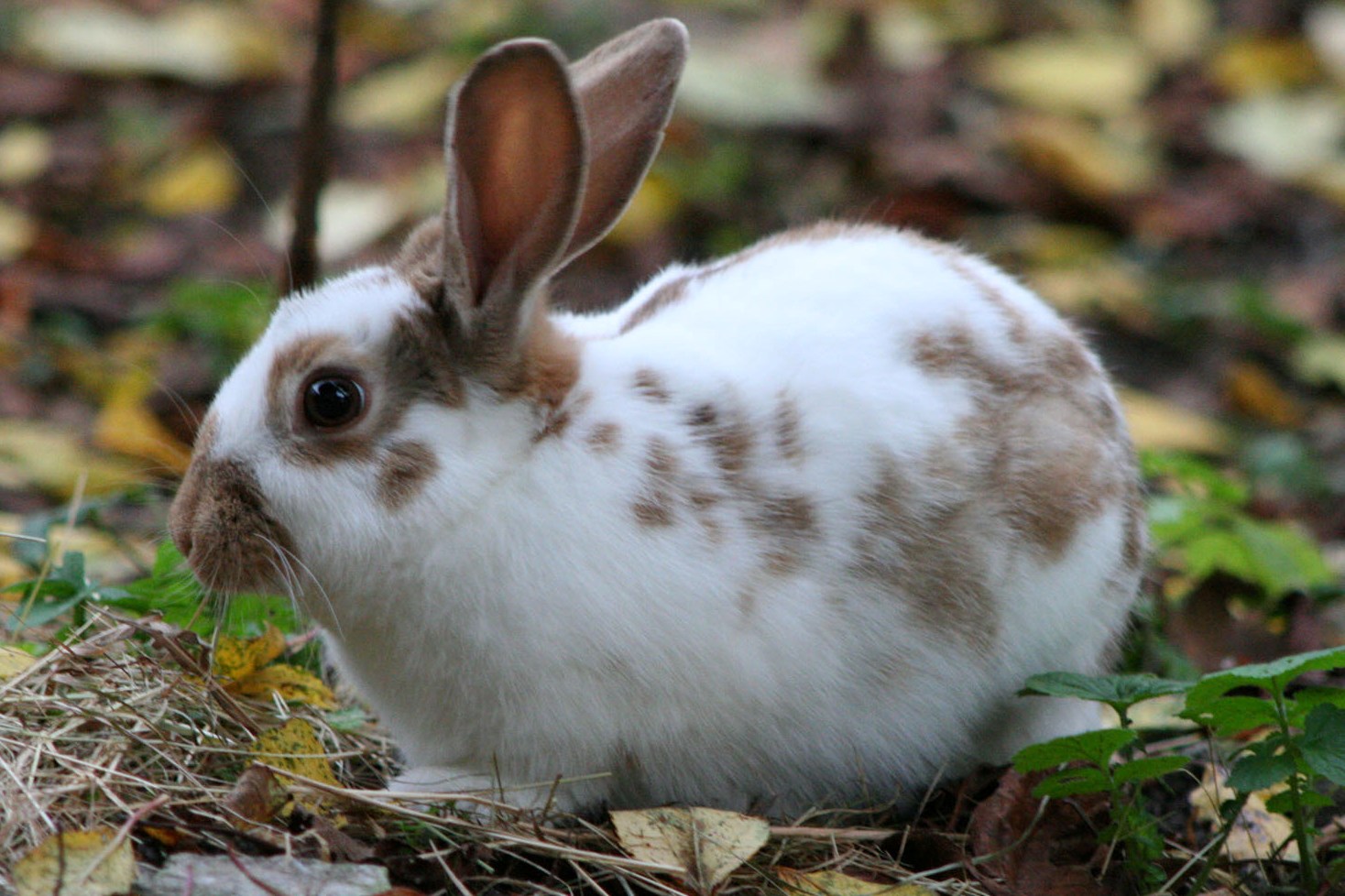
Enano de Cabra
Small and sweet. Dense coat in a range of colours. Sociable.
Foto: Wikipedia Commons · CC BY-SA
Ideal for
- ✓Families with time for daily care
- ✓Homes with space for a free-roaming area
- ✓Anyone looking for a quiet pet
Reconsider if
- ×Homes with loose hunting dogs
- ×Rough young children (rabbits are easily frightened)
- ×Life spent 100% in a cage (cruel · they need 4 h/day loose)
Notify me when a Enano de Cabra is up for adoption
We'll only email you when a verified rescue posts one available. No spam, unsubscribe in 1 click.
We'll only use your email for this alert. More info in our privacy policy.
Is the Enano de Cabra a good match for you?
Indicative rating from 1 (low) to 5 (high).
💶 Estimated cost of ownership
25-45 €/month
A small-bodied rabbit. The bulk is quality hay and daily fresh vegetables (15-25 €) plus pellets and the litter tray substrate/bedding. A provision for the exotic vet (check-up and annual myxo+RHD vaccine) spread out (8-15 €). Neutering and the initial equipment (pen, litter tray, feeder) are extra.
History and origin
Recognised by ARBA. Originating in the Netherlands. Small and sweet.
Temperament and character
Timid by nature (a prey animal). Gains confidence with patience. Sociable with other neutered rabbits. NOT a solitary animal — a pair is always better.
Living together
Children: with respectful children from 8 years old (no rough handling). **Other rabbits:** yes (neutered, gradual introduction). **Dogs:** avoid hunting breeds. **Cats:** possible, supervise.
Life stages of the Enano de Cabra
Each stage has its own care priorities. Life expectancy: 7-10 años.
Kit
0-4 months
Mother's milk and a gradual transition to hay and junior pellets; avoid diarrhoea
Junior
4-8 months
Grass hay ad libitum, introduce fresh vegetables progressively; monitor dentition
Adult
8 months-5 years
Unlimited hay as the basis, a measured ration of pellets and vegetables; dental and weight control
Senior
5-6 years onwards
Adjust the diet if there is dental wear or weight loss; regular veterinary check-ups and a comfortable floor
Care
Space: at least 4 h/day out of the cage in a safe area. The cage is for rest/overnight only.
Feeding: 80% quality hay (Timothy/Italian Ryegrass), 15% fresh vegetables, 5% quality pellets (limit these).
Grooming: 2-3 times/week (daily during moults + long-haired breeds).
Veterinary care: exotic vet (NOT a regular vet — different anatomy/pharmacology). Annual myxomatosis + RHD vaccine. Neutering at 4-6 months (prevents uterine cancer in 80%+ of entire females).
Care in detail
🍽️ Nutrition
A strict fibre-eating herbivore: 80% of the diet should be grass hay available ad libitum (Timothy, ryegrass, fescue), which provides the dental wear and the fibre that keeps the gut moving. 10-15% of varied leafy greens per day (lamb's lettuce, escarole, carrot tops, basil, coriander, endive) and only 5% specific high-fibre rabbit pellets (limited to a tablespoon a day in adults). Fresh water always, preferably in a bowl. No cereal/seed mixes, bread, biscuits or excess fruit (sugar and obesity). For kits and pregnant does, alfalfa hay is used for its calcium and protein.
✂️ Grooming
Short-to-normal coat: a weekly brushing is enough, rising to 2-3 times a week during seasonal moults to remove dead hair and reduce the risk of trichobezoar (hairballs). Never bathe by immersion (it causes dangerous stress); if they get dirty, spot-clean dry. Check and clean the perineal area, trim the nails every 4-6 weeks and check the teeth.
🎓 Training
"Handling", not conventional training. This is a prey animal: ALWAYS pick it up supporting the hindquarters firmly against the body (a kick can fracture its spine) and never by the ears. Gradually getting it used to handling with vegetable treats improves check-ups. It quickly learns to use the litter tray next to its feeding area, and responds to the voice and to routine. It is far happier at floor level than in your arms or up high.
🏃 Exercise
It needs a minimum of 3-4 hours a day loose in a safe, "rabbit-proofed" area (protected cables, no toxic plants); the cage is only the bedroom, not the home. Daily exercise prevents obesity, pododermatitis and digestive problems, and lets it jump, run and dig. Tunnels, platforms and chew toys keep body and mind active.
Breed-specific health
Common conditions in rabbits: GI stasis (a shutdown of the digestive system · EMERGENCY), dental malocclusion (check every 6 months), encephalitozoonosis. Life expectancy 7-10 years with proper care.
🩺 Health predispositions of this breed
Conditions this breed is more predisposed to. Knowing about them helps with prevention and early detection. A predisposition does not mean the animal will develop them.
Common diseases in rabbits
Learn the symptoms, prevention and when to see the vet. Reviewed indicative information that does not replace a veterinary consultation.
Screening and prevention for the Enano de Cabra
Recommended tests and screenings
- ✓Full dental examination of incisors and molars (with otoscope/endoscopy) every 6-12 months to detect malocclusion and spurs
- ✓Serology/PCR for Encephalitozoon cuniculi when neurological signs (head tilt, paresis) or renal signs are present
- ✓Annual faecal test to rule out coccidia, pinworms and caecal dysbiosis
- ✓Cardiorespiratory auscultation and abdominal palpation at every visit to detect early gastrointestinal stasis
- ✓Frequent dental checks given the predisposition of dwarf breeds to malocclusion
Prevention
Annual vaccination against myxomatosis and viral haemorrhagic disease (RHD/RHDV2), which are endemic and fatal in the UK. Grass hay available ad libitum (the fibre prevents digestive stasis and wears down the continuously growing teeth). Neutering/spaying at 4-6 months (prevents uterine cancer, which affects up to 80% of mature entire females, and reduces marking and aggression). Clean, dry housing with a non-wire floor to prevent pododermatitis, and a temperature below 28 °C with shade and ventilation to avoid heatstroke. Internal/external parasite control according to risk and regular dental checks.
Check-up schedule
General check-up with an exotic vet once a year, including the annual myxo+RHD vaccine; from 5-6 years of age it is advisable to move to six-monthly checks. Regular weighing at home and dental monitoring, as many problems (stasis, malocclusion) progress rapidly and silently.
Warning signs
- !Stopping eating or passing droppings for more than 12 hours (gastrointestinal stasis — life-threatening EMERGENCY)
- !Drooling, a wet chin, watery eyes or dropping food (malocclusion or dental abscess)
- !Head tilt, circling or loss of balance (E. cuniculi or inner ear infection)
- !Diarrhoea, soft faeces stuck to the perineum, absence of caecotrophs, or a bloated, silent abdomen
- !Drooling or dropping food (malocclusion, common in dwarf breeds)
Enano de Cabra gallery
Frequently asked questions about the Enano de Cabra
- How long does a Enano de Cabra live? ▾
- The life expectancy of the Enano de Cabra is 7-10 años. A good diet, adequate exercise, annual veterinary check-ups and preventive care can help reach the upper end of that range.
- How much does a Enano de Cabra weigh? ▾
- An adult Enano de Cabra weighs between 0.9-1.4 kg, depending on its sex, genetics and condition. It is pequeño.
- Where does the Enano de Cabra breed come from? ▾
- The Enano de Cabra originates from Países Bajos. Recognised by ARBA. Originating in the Netherlands. Small and sweet.
- How much exercise does a Enano de Cabra need? ▾
- The Enano de Cabra has media energy. **Space:** at least 4 h/day out of the cage in a safe area. The cage is for rest/overnight only.
- Is the Enano de Cabra good with children? ▾
- **Children:** with respectful children from 8 years old (no rough handling). **Other rabbits:** yes (neutered, gradual introduction). **Dogs:** avoid hunting breeds. **Cats:** possible, supervise.
- Who is the Enano de Cabra NOT recommended for? ▾
- It isn't the right breed for: Homes with loose hunting dogs. Rough young children (rabbits are easily frightened). Life spent 100% in a cage (cruel · they need 4 h/day loose). It's important to choose a breed that's compatible with your lifestyle.
- What health problems does the Enano de Cabra have? ▾
- Common conditions in rabbits: GI stasis (a shutdown of the digestive system · EMERGENCY), dental malocclusion (check every 6 months), encephalitozoonosis. Life expectancy 7-10 years with proper care.
- Is keeping it in a cage enough? ▾
- No. Living shut in a cage is harmful: it needs a minimum of 3-4 hours a day loose in a safe area. The cage or hutch should only be its bedroom and litter area, never its sole home.
- Can it live alone or does it need company? ▾
- It is a very social animal: ideally a well-introduced neutered pair (male-female). If it lives alone, it needs several hours of interaction and enrichment a day; boredom and loneliness take their toll.
- What do I do if it stops eating or passing droppings? ▾
- It is a veterinary EMERGENCY. A rabbit not eating or passing droppings for more than 12 hours usually indicates gastrointestinal stasis, which can be fatal within hours. Go to an exotic vet immediately; don't wait to see if it improves.
- Does it need vaccinations? ▾
- Yes. In the UK it must be vaccinated every year against myxomatosis and viral haemorrhagic disease (RHD/RHDV2), both endemic and almost always fatal. They are given by an exotic vet, who should always be the one to treat it.
- Why do you insist so much on hay and teeth? ▾
- A rabbit's teeth grow throughout its life. Only hay available ad libitum wears them down naturally; without it, malocclusion appears (points and spurs that injure the mouth) and, with it, pain, drooling and a digestive shutdown.
Learn more about rabbits
Practical veterinary guides to support your Enano de Cabra.
Sources and references
Content compiled from official breed standards and leading veterinary sources.
- WikipediaDomestic rabbit (Wikipedia ES) ↗
- British Rabbit CouncilBritish Rabbit Council ↗
Want to adopt a enano de cabra?
There are enano de cabras in rescue shelters looking for a family. Filter by breed in the catalogue.