


Americano Fuzzy Lop
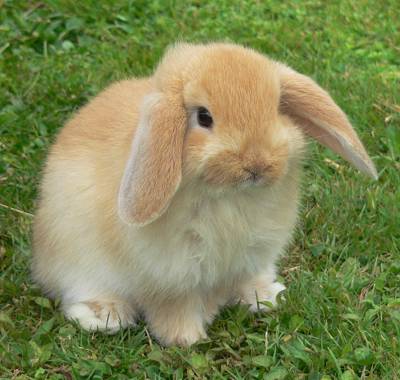
An American long-haired lop rabbit. Affectionate and sweet.
Foto: Wikipedia Commons · CC BY-SA
Ideal for
- ✓Families with time for daily care
- ✓Homes with space for a free-roam area
- ✓Anyone looking for a quiet pet
Reconsider if
- ×Homes with loose hunting dogs
- ×Young, rough children (rabbits are easily frightened)
- ×Life 100% in a cage (cruel · they need 4 h/day free-roaming)
Notify me when a Americano Fuzzy Lop is up for adoption
We'll only email you when a verified rescue posts one available. No spam, unsubscribe in 1 click.
We'll only use your email for this alert. More info in our privacy policy.
Is the Americano Fuzzy Lop a good match for you?
Indicative rating from 1 (low) to 5 (high).
💶 Estimated cost of ownership
30-55 €/month
Hay and vegetables 12-22 €, limited pellets 4-7 €, pro-rated exotics vet care (vaccines, dental check, amortised neutering) 10-18 €, bedding/litter 4-9 €, coat care and accessories 3-7 €. Dental surgery or recurrent ear infections raise the cost.
History and origin
A dwarf lop breed with a woolly coat developed in the USA and recognised by ARBA in 1988; it combines drooping ears with Angora-type wool.
Temperament and character
Shy by nature (a prey animal). Gains confidence with patience. Sociable with other neutered rabbits. NOT a solitary animal — a pair is always better.
Living together
Children: with respectful ones from age 8 (no shaking). **Other rabbits:** yes (neutered, gradual introduction). **Dogs:** avoid hunting dogs. **Cats:** possible, supervise.
Life stages of the Americano Fuzzy Lop
Each stage has its own care priorities. Life expectancy: 5-8 años.
Kit
0-4 months
Weaning and getting used to brushing the wool; monitor the drooping ears; coccidiosis prevention
Junior
4-10 months
Development of the wool and lop ears; regular brushing and ear checks
Adult
1-5 years
Regular grooming, hay ad libitum and ear cleaning; risk of stasis from wool
Senior
5+ years
Monitoring for ear mites, teeth and digestive motility
Care
Space: at least 4 h/day out of the cage in a safe area. Cage = for rest/night-time only.
Feeding: 80% quality hay (Timothy/Italian Ryegrass), 15% fresh vegetables, 5% quality pellets (limit these).
Brushing: 2-3 times/week (daily during moults + long-haired breeds).
Vet: exotics vet (NOT a regular vet — different anatomy/pharmacology). Annual myxomatosis + RHD vaccine. Neutering at 4-6 months (prevents uterine cancer in 80%+ of unspayed females).
Care in detail
🍽️ Nutrition
80% quality hay ad libitum, 15% fresh leafy vegetables and 5% specific rabbit pellets, limited. Water always available. Hay is essential for dental wear and for gut transit, key in a long-haired breed that ingests wool.
✂️ Grooming
Woolly coat (the lop version of the Angora): frequent brushing, 3-4 times a week and more during the moult, to prevent knots and wool balls. Check and clean the drooping ears regularly. In summer, watch the coat to prevent heatstroke and flystrike.
🎓 Training
Gentle handling and socialisation: it is small, sweet and one of the most affectionate rabbits, but it is still a prey animal. Get it used to brushing and handling from a young age with treats. It learns to use a litter tray and appreciates the company of another neutered rabbit.
🏃 Exercise
At least 4 hours a day free-roaming in a safe, rabbit-proofed area; the cage is only for resting. It is active and playful despite its small size: it needs to explore and move to maintain weight and digestive health.
Breed-specific health
Common conditions in rabbits: GI stasis (digestive shutdown · EMERGENCY), dental malocclusion (check every 6 months), encephalitozoonosis. Life expectancy 5-8 years with proper care.
🩺 Health predispositions of this breed
Conditions this breed is more predisposed to. Knowing about them helps with prevention and early detection. A predisposition does not mean the animal will develop them.
Common diseases in rabbits
Learn the symptoms, prevention and when to see the vet. Reviewed indicative information that does not replace a veterinary consultation.
Screening and prevention for the Americano Fuzzy Lop
Recommended tests and screenings
- ✓Full dental examination (malocclusion, common in small and lop breeds)
- ✓Ear examination (drooping ears: predisposition to otitis and mites)
- ✓Digestive and weight monitoring (gut stasis)
- ✓Examination of the woolly coat (knots, matting, flystrike in summer)
Prevention
Frequent brushing of the woolly coat to prevent knots and hair ingestion. Examination and cleaning of the ears (drooping ears retain moisture and wax). Unlimited hay diet and weight control. Annual myxomatosis and RHDV vaccination, and early neutering.
Check-up schedule
A check-up with an exotics vet at least annually and a dental check every six months; ear monitoring because of the drooping ears. Seek urgent care at any sign of digestive shutdown.
Warning signs
- !Stops eating and passing droppings, hunched posture (gastrointestinal stasis: EMERGENCY)
- !Head shaking, bad smell or discharge in the ears (otitis/mites)
- !Drooling, watery eyes or weight loss (dental malocclusion)
- !Matted wool with irritation or dirt underneath
Americano Fuzzy Lop gallery
Frequently asked questions about the Americano Fuzzy Lop
- How long does a Americano Fuzzy Lop live? ▾
- The life expectancy of the Americano Fuzzy Lop is 5-8 años. A good diet, adequate exercise, annual veterinary check-ups and preventive care can help reach the upper end of that range.
- How much does a Americano Fuzzy Lop weigh? ▾
- An adult Americano Fuzzy Lop weighs between 1.4-1.8 kg, depending on its sex, genetics and condition. It is pequeño.
- Where does the Americano Fuzzy Lop breed come from? ▾
- The Americano Fuzzy Lop originates from Estados Unidos. A dwarf lop breed with a woolly coat developed in the USA and recognised by ARBA in 1988; it combines drooping ears with Angora-type wool.
- How much exercise does a Americano Fuzzy Lop need? ▾
- The Americano Fuzzy Lop has media energy. **Space:** at least 4 h/day out of the cage in a safe area. Cage = for rest/night-time only.
- Is the Americano Fuzzy Lop good with children? ▾
- **Children:** with respectful ones from age 8 (no shaking). **Other rabbits:** yes (neutered, gradual introduction). **Dogs:** avoid hunting dogs. **Cats:** possible, supervise.
- Who is the Americano Fuzzy Lop NOT recommended for? ▾
- It isn't the right breed for: Homes with loose hunting dogs. Young, rough children (rabbits are easily frightened). Life 100% in a cage (cruel · they need 4 h/day free-roaming). It's important to choose a breed that's compatible with your lifestyle.
- What health problems does the Americano Fuzzy Lop have? ▾
- Common conditions in rabbits: GI stasis (digestive shutdown · EMERGENCY), dental malocclusion (check every 6 months), encephalitozoonosis. Life expectancy 5-8 years with proper care.
- What exactly is an American Fuzzy Lop? ▾
- It is an American long-haired, woolly-coated lop rabbit (drooping ears), a sort of fluffy version of the Holland Lop. Small, 1.4 to 1.8 kg, with a reputation for being very affectionate and good-natured.
- Is its coat a lot of work? ▾
- Quite a bit. Its woolly coat mats and needs frequent brushing, 3-4 times a week and more during the moult, to prevent knots and hair ingestion. It does not reach the level of an Angora, but it is not a low-maintenance short-haired rabbit.
- Why do its ears need watching? ▾
- Because its ears droop, the ear canal retains moisture and wax and ventilates less well, which favours otitis and mites. They should be checked and cleaned regularly, and you should see the vet if it shakes its head or they smell bad.
- Is it good with children? ▾
- It is one of the most docile and affectionate rabbits, so it can fit in with respectful, older children who learn to handle it on its own level, without picking it up by force. Coat care and vet visits, however, fall to the adults.
- Can it live alone in a cage? ▾
- No. Like any rabbit, it needs at least 4 hours a day free-roaming in a safe area and company; ideally a neutered pair. Living shut in all day causes it stress, obesity and digestive problems.
Learn more about rabbits
Practical veterinary guides to support your Americano Fuzzy Lop.
Sources and references
Content compiled from official breed standards and leading veterinary sources.
- WikipediaAmerican Fuzzy Lop ↗
- American Rabbit Breeders AssociationARBA ↗
Want to adopt a americano fuzzy lop?
There are americano fuzzy lops in rescue shelters looking for a family. Filter by breed in the catalogue.