

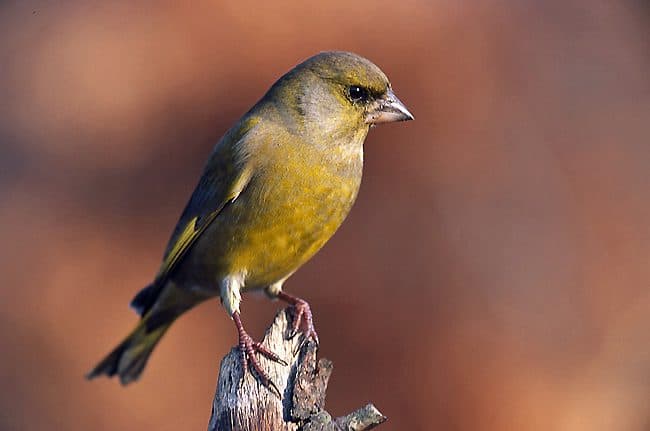
Verderón Europeo
Green-yellow plumage. Pleasant song. Breeding requires documentation.
Foto: Wikipedia Commons · CC BY-SA
Ideal for
- ✓Families with time for daily interaction
- ✓Spacious homes (large birds require a dedicated room)
- ✓Those who accept a decades-long commitment (parrots live a long time)
Reconsider if
- ×Households with no time to socialise
- ×Those who cannot tolerate noise (all parrots vocalise)
- ×Homes without space for flight
Notify me when a Verderón Europeo is up for adoption
We'll only email you when a verified rescue posts one available. No spam, unsubscribe in 1 click.
We'll only use your email for this alert. More info in our privacy policy.
Is the Verderón Europeo a good match for you?
Indicative rating from 1 (low) to 5 (high).
💶 Estimated cost of ownership
15-35 €/month
Seed mix, rearing food, greens and grit (8-15 €), hygiene and maintenance (4-10 €). Separately: vet check-up/faecal exam (30-60 €/year) and a spacious flight cage (60-150 €). Low upkeep cost.
History and origin
Native to Europe. Green-yellow plumage.
Temperament and character
Intelligence varies by species. Parrots form strong bonds with their humans. They need daily mental stimulation · NOT just a cage.
Living together
Children: depends on species + individual character. **Other birds:** better in a pair/group (except territorial species). **Older pets:** avoid — a real risk of predation.
Life stages of the Verderón Europeo
Each stage has its own care priorities. Life expectancy: 10-15 años.
Chick
0-2 months
Rearing in the nest; protein intake for rapid growth.
Juvenile
2-12 months
First moult; appearance of the yellowish green and sheen on the wings.
Adult
1-9 years
Song and breeding; varied seed diet; watch for trichomoniasis in drinkers.
Senior
10-15 years
Lower energy; weight control and digestive check-up.
Care
Cage: at least double the size of the bird with its wings spread. A dedicated room is better.
Feeding: SEEDS are NOT a complete diet. A combination of pellets + fresh fruit/vegetables daily.
Free flight: at least 1-2 hours/day outside the cage in a safe area.
Veterinary care: an avian specialist vet (exotics vet). Annual check-up.
Care in detail
🍽️ Nutrition
A seed mix for finches (rich in thistle, rapeseed and oats) supplemented with greens, rearing food during moult/breeding and grit. Clean water daily, essential to prevent infections.
✂️ Grooming
No grooming required; offer it a shallow bath, which it uses with pleasure. Keep the cage and accessories very clean.
🎓 Training
It is a cage/aviary bird, not one for training: it is enjoyed for its song and its activity, not for handling. Handle it only as much as necessary to reduce stress.
🏃 Exercise
It needs an elongated cage or aviary in which to fly; it is active and stays fit with space and the company of its own species.
Breed-specific health
Aspergillosis (fungal), psittacosis (chlamydiosis), feather problems due to stress/deficiencies. Life expectancy 10-15 years with proper care. Before adopting a large parrot, bear in mind that you will live with it throughout your adult life.
🩺 Health predispositions of this breed
Conditions this breed is more predisposed to. Knowing about them helps with prevention and early detection. A predisposition does not mean the animal will develop them.
Common diseases in birds
Learn the symptoms, prevention and when to see the vet. Reviewed indicative information that does not replace a veterinary consultation.
Screening and prevention for the Verderón Europeo
Recommended tests and screenings
- ✓Faecal examination for trichomonas, coccidia and atoxoplasma
- ✓Internal deworming and screening for air-sac mites
- ✓Salmonellosis monitoring (outbreaks in finches)
- ✓Verification of the closed captive-bred ring and legal documentation
Prevention
Scrupulous hygiene of feeders and drinkers (finches suffer outbreaks of trichomoniasis and salmonellosis), a varied diet, quarantine of new birds and, legally, keeping the ring and documentation that prove captive breeding.
Check-up schedule
Check-up with an avian/exotics vet on acquisition and periodic faecal examinations; daily observation.
Warning signs
- !Yellowish plaques in the mouth or difficulty swallowing (trichomoniasis)
- !Diarrhoea and ruffled plumage (coccidiosis)
- !Clicking breathing or gasping (air-sac mites)
- !Sudden apathy or the death of several birds (salmonellosis)
Verderón Europeo gallery

Frequently asked questions about the Verderón Europeo
- How long does a Verderón Europeo live? ▾
- The life expectancy of the Verderón Europeo is 10-15 años. A good diet, adequate exercise, annual veterinary check-ups and preventive care can help reach the upper end of that range.
- How much does a Verderón Europeo weigh? ▾
- An adult Verderón Europeo weighs between 25-35g, depending on its sex, genetics and condition. It is pequeño.
- Where does the Verderón Europeo breed come from? ▾
- The Verderón Europeo originates from Europa. Native to Europe. Green-yellow plumage.
- How much exercise does a Verderón Europeo need? ▾
- The Verderón Europeo has media energy. **Cage:** at least double the size of the bird with its wings spread. A dedicated room is better.
- Is the Verderón Europeo good with children? ▾
- **Children:** depends on species + individual character. **Other birds:** better in a pair/group (except territorial species). **Older pets:** avoid — a real risk of predation.
- Who is the Verderón Europeo NOT recommended for? ▾
- It isn't the right breed for: Households with no time to socialise. Those who cannot tolerate noise (all parrots vocalise). Homes without space for flight. It's important to choose a breed that's compatible with your lifestyle.
- What health problems does the Verderón Europeo have? ▾
- Aspergillosis (fungal), psittacosis (chlamydiosis), feather problems due to stress/deficiencies. Life expectancy 10-15 years with proper care. Before adopting a large parrot, bear in mind that you will live with it throughout your adult life.
- Can I keep a Greenfinch legally? ▾
- Only if it comes from captive breeding, with its closed ring and documentation. The Greenfinch is a protected wild finch: capturing it from the wild is illegal.
- Why is water hygiene so important? ▾
- Finches are highly susceptible to trichomoniasis and salmonellosis, which spread through dirty water and feeders. Daily cleaning and periodic disinfection prevent them.
- Can it be trained or held in the hand? ▾
- No. It is a songbird and aviary bird, not one for handling; it is enjoyed by watching it. Frequent handling stresses it.
- Does it need the company of its own species? ▾
- It does well living in an aviary with conspecifics or other compatible finches, always with enough space to avoid conflict.
- Is it difficult to keep? ▾
- No, provided hygiene and diet are looked after. It is hardy and inexpensive, but demands strict cleanliness and, legally, proper documentation.
Learn more about birds
Practical veterinary guides to support your Verderón Europeo.
Sources and references
Content compiled from official breed standards and leading veterinary sources.
- WikipediaEuropean Greenfinch (Chloris chloris) ↗
- BirdLife InternationalBirdLife International ↗
Want to adopt a verderón europeo?
There are verderón europeos in rescue shelters looking for a family. Filter by breed in the catalogue.