

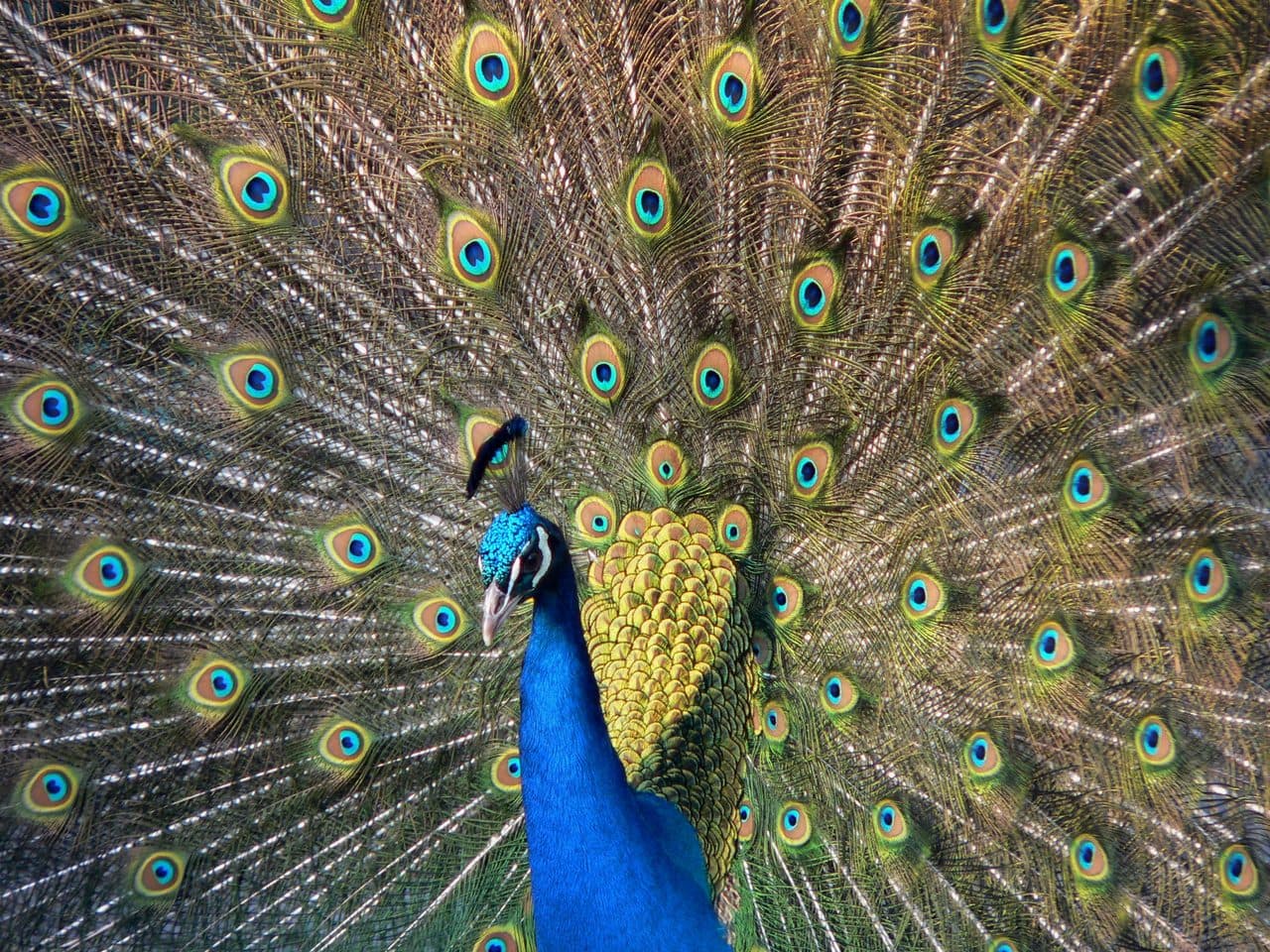
Pavo Real Común
Iconic plumage. Requires a VERY large space (not a cage, a large estate). A cultural symbol thousands of years old.
Foto: Wikipedia Commons · CC BY-SA
Ideal for
- ✓Families with time for daily interaction
- ✓Large flats (big birds require a room)
- ✓Those who accept a decades-long commitment (parrots live a long time)
Reconsider if
- ×Homes without time to socialise
- ×Those who cannot tolerate noise (all parrots vocalise)
- ×Flats without space for flight
Notify me when a Pavo Real Común is up for adoption
We'll only email you when a verified rescue posts one available. No spam, unsubscribe in 1 click.
We'll only use your email for this alert. More info in our privacy policy.
Is the Pavo Real Común a good match for you?
Indicative rating from 1 (low) to 5 (high).
💶 Estimated cost of ownership
25-50 €/month
Poultry feed, grain and supplements 12-25 €; dewormers and pro-rated vet care 6-14 €; upkeep of the installation/ground 5-12 €. Initial investment in fencing, a large shelter and the birds themselves; not viable in a flat.
History and origin
Native to India. Iconic plumage.
Temperament and character
Intelligence varies by species. Parrots form strong bonds with their humans. They need daily mental stimulation · NOT just a cage.
Living together
Children: depends on species + individual character. **Other birds:** better in a pair/group (except territorial species). **Older pets:** avoid — a real risk of predation.
Life stages of the Pavo Real Común
Each stage has its own care priorities. Life expectancy: 15-25 años.
Chick
0-3 months
Precocial nidifugous; warmth, a good start and coccidiosis prevention
Juvenile
3-18 months
Growth; the male's ornamental tail is complete at around 3 years
Adult
1.5-12 years
Ample space for the tail, a granivorous diet and deworming
Senior
12-25 years
Monitoring of legs/joints, weight and periodic check-ups
Care
Cage: at least twice the size of the bird with its wings outstretched. A dedicated room is better.
Feeding: SEEDS are NOT a complete diet. A combination of pellets + fresh fruit/vegetables daily.
Free flight: at least 1-2 hours/day out of the cage in a safe area.
Vet: an avian specialist vet (exotics vet). Annual check-up.
Care in detail
🍽️ Nutrition
Good-quality poultry/pheasant feed (maintenance or breeding depending on the season) plus grain, vegetables, fruit and insects. Grit for the gizzard, clean water and calcium for laying hens. They also forage for their own food (insects, shoots) if they have ground to roam.
✂️ Grooming
Minimal handling of the plumage; they preen themselves. The essential thing is clean, dry ground and a shelter. The male's tail is renewed after the annual moult.
🎓 Training
An ornamental, semi-wild bird, not for handling or taming. It gets used to routine and to whoever feeds it, but it cannot be 'trained'. Its management consists of spacious housing, an antiparasitic health plan and shelter; it is advisable to clip or enclose its flight depending on the installation so that it does not escape.
🏃 Exercise
Needs a large outdoor space (estate/large aviary) to walk, run and display. It is not a cage or flat bird.
Breed-specific health
Aspergillosis (fungal), psittacosis (chlamydiosis), feather problems from stress/deficiencies. Life expectancy 15-25 years with proper care. Before adopting a large parrot, bear in mind that you will live with it throughout your adult life.
🩺 Health predispositions of this breed
Conditions this breed is more predisposed to. Knowing about them helps with prevention and early detection. A predisposition does not mean the animal will develop them.
Common diseases in birds
Learn the symptoms, prevention and when to see the vet. Reviewed indicative information that does not replace a veterinary consultation.
Screening and prevention for the Pavo Real Común
Recommended tests and screenings
- ✓Serial faecal examination (histomoniasis/'blackhead', coccidia, capillaria and other nematodes)
- ✓Scheduled internal deworming
- ✓Examination of the legs and plumage (external parasites)
- ✓Weight and body condition monitoring
- ✓Assessment of housing (separation from carrier gallinaceous birds)
Prevention
KEY point: prevent histomoniasis ('blackhead'), which is serious in peafowl, by keeping them SEPARATE from chickens and common turkeys (carriers) and with good control of intestinal worms, which transmit the parasite. Periodic deworming, dry ground, shelter from rain and extreme cold. A VERY large space (not a cage).
Check-up schedule
Annual check-up with an avian/poultry vet, including faecal examination and a deworming plan; reinforced monitoring if it shares the estate with other gallinaceous birds.
Warning signs
- !Sulphur-yellow droppings and lethargy (histomoniasis)
- !Progressive weight loss (parasites)
- !Ruffled plumage and isolation from the group
- !Lameness or leg injuries
- !Loss of appetite
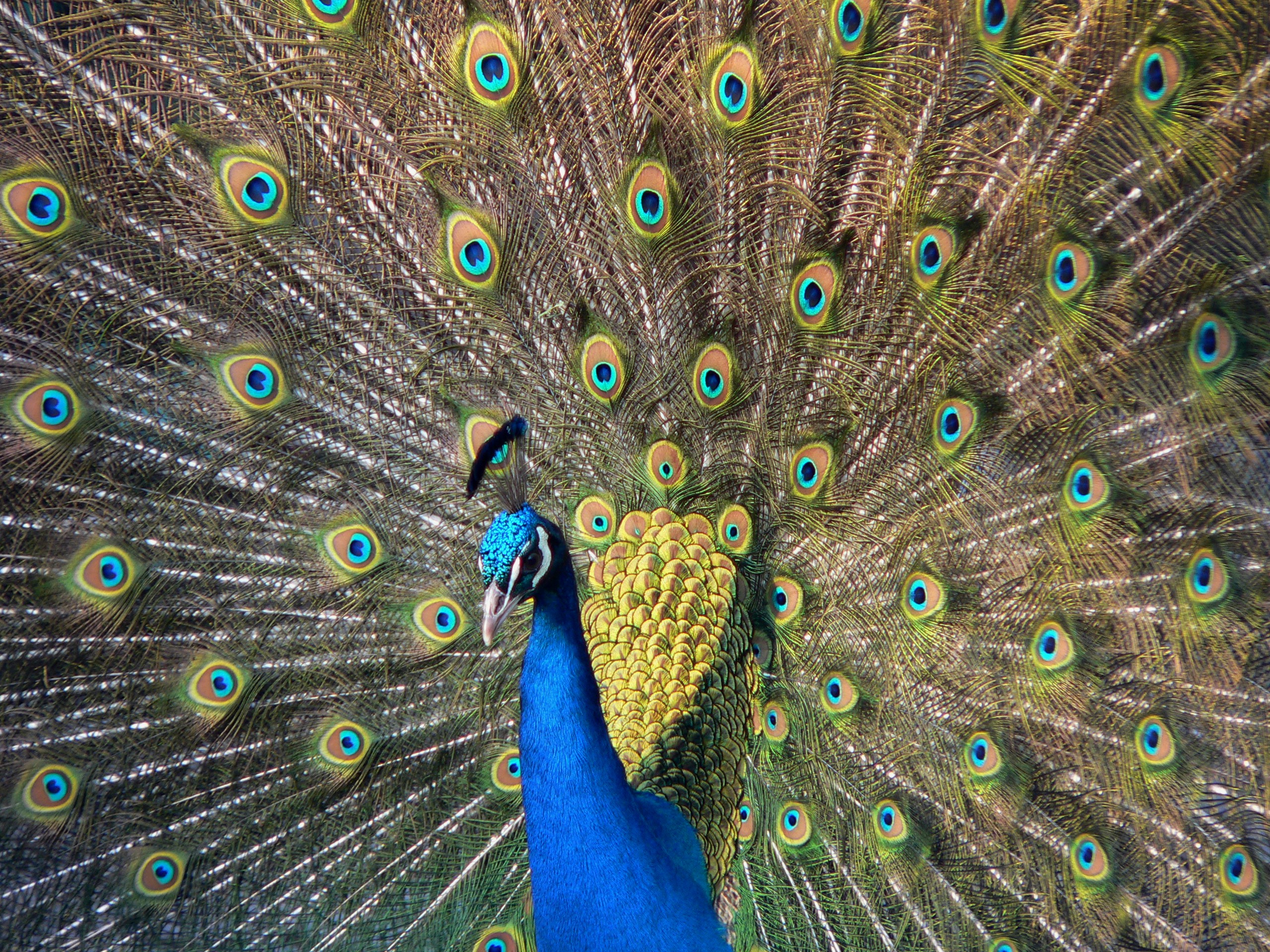
Pavo Real Común gallery
Frequently asked questions about the Pavo Real Común
- How long does a Pavo Real Común live? ▾
- The life expectancy of the Pavo Real Común is 15-25 años. A good diet, adequate exercise, annual veterinary check-ups and preventive care can help reach the upper end of that range.
- How much does a Pavo Real Común weigh? ▾
- An adult Pavo Real Común weighs between 4-6 kg, depending on its sex, genetics and condition. It is grande.
- Where does the Pavo Real Común breed come from? ▾
- The Pavo Real Común originates from India. Native to India. Iconic plumage.
- How much exercise does a Pavo Real Común need? ▾
- The Pavo Real Común has media energy. **Cage:** at least twice the size of the bird with its wings outstretched. A dedicated room is better.
- Is the Pavo Real Común good with children? ▾
- **Children:** depends on species + individual character. **Other birds:** better in a pair/group (except territorial species). **Older pets:** avoid — a real risk of predation.
- Who is the Pavo Real Común NOT recommended for? ▾
- It isn't the right breed for: Homes without time to socialise. Those who cannot tolerate noise (all parrots vocalise). Flats without space for flight. It's important to choose a breed that's compatible with your lifestyle.
- What health problems does the Pavo Real Común have? ▾
- Aspergillosis (fungal), psittacosis (chlamydiosis), feather problems from stress/deficiencies. Life expectancy 15-25 years with proper care. Before adopting a large parrot, bear in mind that you will live with it throughout your adult life.
- Can you keep a peacock at home? ▾
- Not in a flat or a cage. It needs an estate or a very large aviary where it can walk and display its tail; it is an outdoor bird that needs plenty of space.
- Is it true they are very noisy? ▾
- Yes. Their call is very loud and piercing, especially during the breeding season. It can bother neighbours, something to consider before keeping one.
- What is 'blackhead' or histomoniasis? ▾
- It is a serious parasitic disease for peafowl. The key is to keep them separate from chickens and common turkeys (carriers) and to control intestinal worms.
- Can it withstand winter in the UK? ▾
- Yes, it is fairly hardy and tolerates the cold if it has a dry, sheltered refuge. What it copes with worst is permanent damp and mud.
- Does the male lose his tail? ▾
- Yes, after the breeding season it moults the long tail feathers, and they grow back the following year, even more spectacular with age.
Learn more about birds
Practical veterinary guides to support your Pavo Real Común.
Sources and references
Content compiled from official breed standards and leading veterinary sources.
- WikipediaPavo cristatus (Indian Peafowl) ↗
- BirdLife InternationalIndian Peafowl factsheet ↗
Want to adopt a pavo real común?
There are pavo real comúns in rescue shelters looking for a family. Filter by breed in the catalogue.