

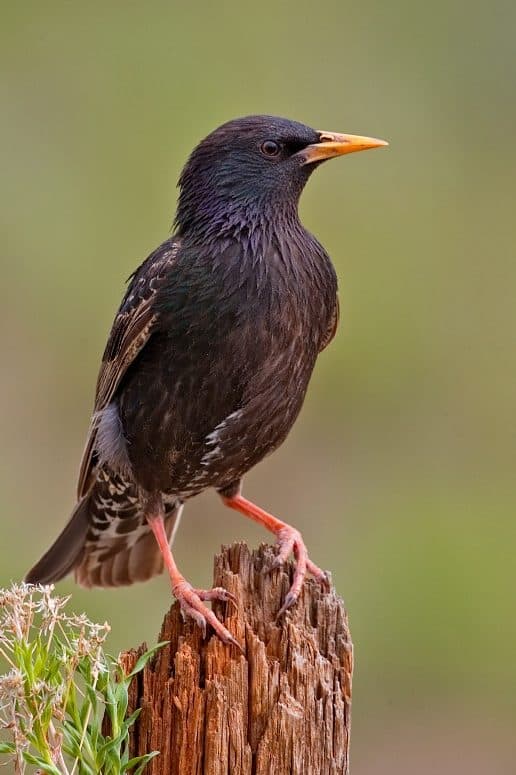
Estornino Pinto
Native species. Extremely intelligent. Mimics voices. In the UK it cannot be kept without a licence (protected species).
Foto: Wikipedia Commons · CC BY-SA
Ideal for
- ✓Families with time for daily interaction
- ✓Spacious homes (large birds need a room)
- ✓Anyone accepting a decades-long commitment (parrots live a long time)
Reconsider if
- ×Homes with no time to socialise
- ×Anyone who cannot tolerate noise (all parrots vocalise)
- ×Homes with no space for flight
Notify me when a Estornino Pinto is up for adoption
We'll only email you when a verified rescue posts one available. No spam, unsubscribe in 1 click.
We'll only use your email for this alert. More info in our privacy policy.
Is the Estornino Pinto a good match for you?
Indicative rating from 1 (low) to 5 (high).
💶 Estimated cost of ownership
30-55 €/month
Low-iron food, insects and fruit: 18-32 €/month. Frequent cleaning (it makes a lot of mess) and substrate: 4-8 €/month. Spread cost of an avian/exotics vet: 8-15 €/month. Separately: the legal authorisation process, as it is a protected species.
History and origin
Originating in Europe. Native species.
Temperament and character
Intelligence varies by species. Parrots form strong bonds with their humans. They need daily mental stimulation · NOT just a cage.
Living together
Children: depends on the species + individual character. **Other birds:** better in a pair/group (except territorial species). **Larger pets:** avoid — a real risk of predation.
Life stages of the Estornino Pinto
Each stage has its own care priorities. Life expectancy: 15-20 años.
Chick
0-2 months
Insectivore; frequent feeding with animal protein; very demanding.
Juvenile
2-12 months
Brown plumage moulting to the iridescent speckled coat; imprinting and vocal learning.
Adult
1-12 years
Great mimic; omnivorous diet (insects, fruit, insectivore food).
Senior
13-20 years
Watch for fatty liver from an inadequate diet and joint problems.
Care
Cage: minimum twice the size of the bird with wings extended. A dedicated room is better.
Feeding: SEEDS are NOT a complete diet. A combination of pellets + fresh fruit/vegetables daily.
Free flight: minimum 1-2 hours/day out of the cage in a safe area.
Vet: avian specialist vet (exotics vet). Annual work-up.
Care in detail
🍽️ Nutrition
A 'softbill'/insectivore-omnivore diet LOW in iron: specific low-iron food, insects (mealworms), fruit and some vegetables. It is not a grain-eating bird: seeds are of no use to it.
✂️ Grooming
It likes to bathe daily; nail and beak monitoring. It is a bird that makes quite a mess (liquid droppings), so it demands frequent cleaning.
🎓 Training
Very intelligent and a great mimic: with socialisation it learns sounds, whistles and words. Handling is easy because it usually imprints on its keeper, but it requires daily interaction.
🏃 Exercise
It needs plenty of space to fly and explore; toys and foraging. It is active, curious and easily bored.
Breed-specific health
Aspergillosis (fungi), psittacosis (chlamydiosis), feather problems from stress/deficiencies. Life expectancy 15-20 years with appropriate care. Before adopting a large parrot, consider that you will live with it throughout your adult life.
🩺 Health predispositions of this breed
Conditions this breed is more predisposed to. Knowing about them helps with prevention and early detection. A predisposition does not mean the animal will develop them.
Common diseases in birds
Learn the symptoms, prevention and when to see the vet. Reviewed indicative information that does not replace a veterinary consultation.
Screening and prevention for the Estornino Pinto
Recommended tests and screenings
- ✓Avian/exotics veterinary examination
- ✓Screening and monitoring for iron storage disease (haemochromatosis)
- ✓Faecal test for internal parasites
- ✓Foot examination for pododermatitis ('bumblefoot')
Prevention
A low-iron diet specific to softbill birds (not a seed diet), water and food that spoil much faster (change daily), varied perches to avoid bumblefoot. Keeping only with the appropriate legal authorisation.
Check-up schedule
Periodic avian check-up with weight monitoring and, where relevant, hepatic iron storage; foot monitoring.
Warning signs
- !Abdominal swelling or breathing difficulty (iron overload)
- !Fluffed-up feathers and lethargy
- !Wounds or calluses on the soles of the feet
- !Diarrhoea
- !Weight loss
Estornino Pinto gallery

Frequently asked questions about the Estornino Pinto
- How long does a Estornino Pinto live? ▾
- The life expectancy of the Estornino Pinto is 15-20 años. A good diet, adequate exercise, annual veterinary check-ups and preventive care can help reach the upper end of that range.
- How much does a Estornino Pinto weigh? ▾
- An adult Estornino Pinto weighs between 60-100g, depending on its sex, genetics and condition. It is mediano.
- Where does the Estornino Pinto breed come from? ▾
- The Estornino Pinto originates from Europa. Originating in Europe. Native species.
- How much exercise does a Estornino Pinto need? ▾
- The Estornino Pinto has media energy. **Cage:** minimum twice the size of the bird with wings extended. A dedicated room is better.
- Is the Estornino Pinto good with children? ▾
- **Children:** depends on the species + individual character. **Other birds:** better in a pair/group (except territorial species). **Larger pets:** avoid — a real risk of predation.
- Who is the Estornino Pinto NOT recommended for? ▾
- It isn't the right breed for: Homes with no time to socialise. Anyone who cannot tolerate noise (all parrots vocalise). Homes with no space for flight. It's important to choose a breed that's compatible with your lifestyle.
- What health problems does the Estornino Pinto have? ▾
- Aspergillosis (fungi), psittacosis (chlamydiosis), feather problems from stress/deficiencies. Life expectancy 15-20 years with appropriate care. Before adopting a large parrot, consider that you will live with it throughout your adult life.
- Can I legally keep a common starling at home? ▾
- The common starling (Sturnus vulgaris) is protected native wild fauna in the UK. It cannot be captured or kept without the appropriate administrative authorisation. Check with your local authority before acquiring one.
- Why can't it eat seeds like a canary? ▾
- It is an omnivorous/insectivorous bird, not a grain-eater. It needs a low-iron softbill diet: if it eats parrot food or too much iron, it develops haemochromatosis (iron storage disease), which is serious.
- Does it really mimic the human voice? ▾
- Yes, and very well: it is one of the best mimics among birds, able to learn words, whistles and environmental sounds with astonishing fidelity.
- Does it make a lot of mess? ▾
- Quite a lot. It has frequent, liquid droppings; it requires daily cleaning and an easy-to-sanitise location.
- Does it cope well with cold? ▾
- It is a robust European species that tolerates cold better than tropical birds, although always with shelter and no draughts.
Learn more about birds
Practical veterinary guides to support your Estornino Pinto.
Sources and references
Content compiled from official breed standards and leading veterinary sources.
- WikipediaCommon Starling (Sturnus vulgaris) ↗
- BirdLife InternationalBirdLife International ↗
Want to adopt a estornino pinto?
There are estornino pintos in rescue shelters looking for a family. Filter by breed in the catalogue.